 Site Safety
Construction HSE Inspection Checklist: How to Run a Daily Site Safety Inspection
A practical technical HSE guide based on field experience.
Read article →Practical guidance, checklists, digital tools and management-system content built on 15 years of HSE field and leadership experience.
Combine critical-control verification, finding quality and CAPA closure in one field inspection.
From hot work and MOC to silica exposure and emergency communication.
Use the most critical HSE processes together with practical tools.
PTW, JSA, LMRA, CAPA, TRIR, LTIFR and more.
Site SafetyA practical technical HSE guide based on field experience.
Read article →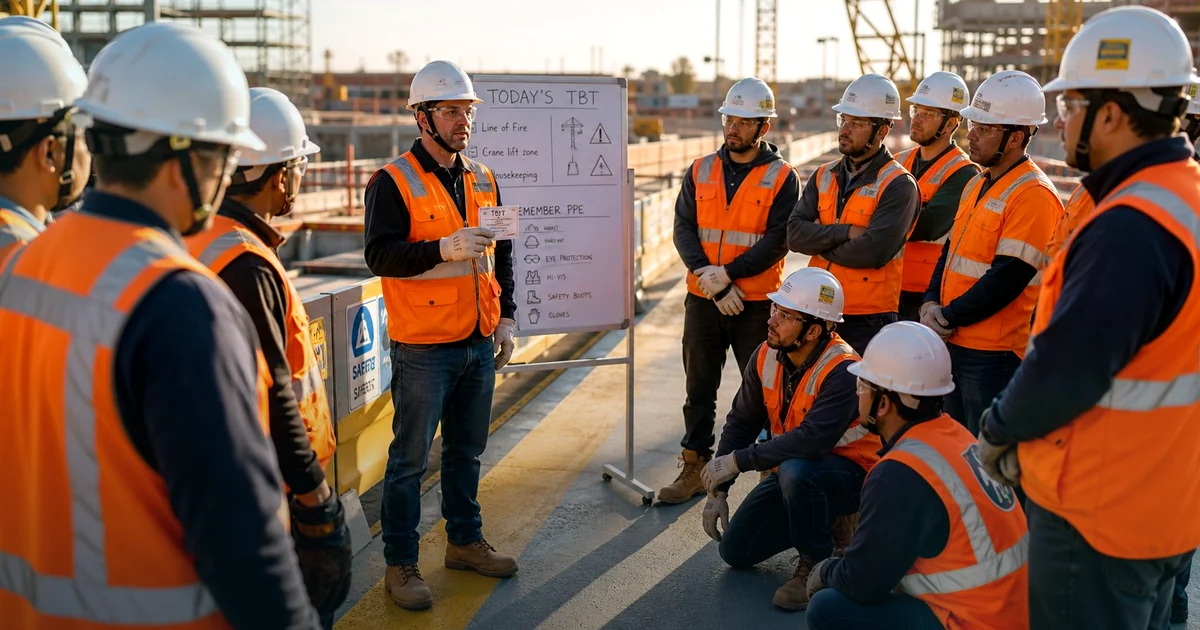 Training
A practical technical HSE guide based on field experience.
Read article →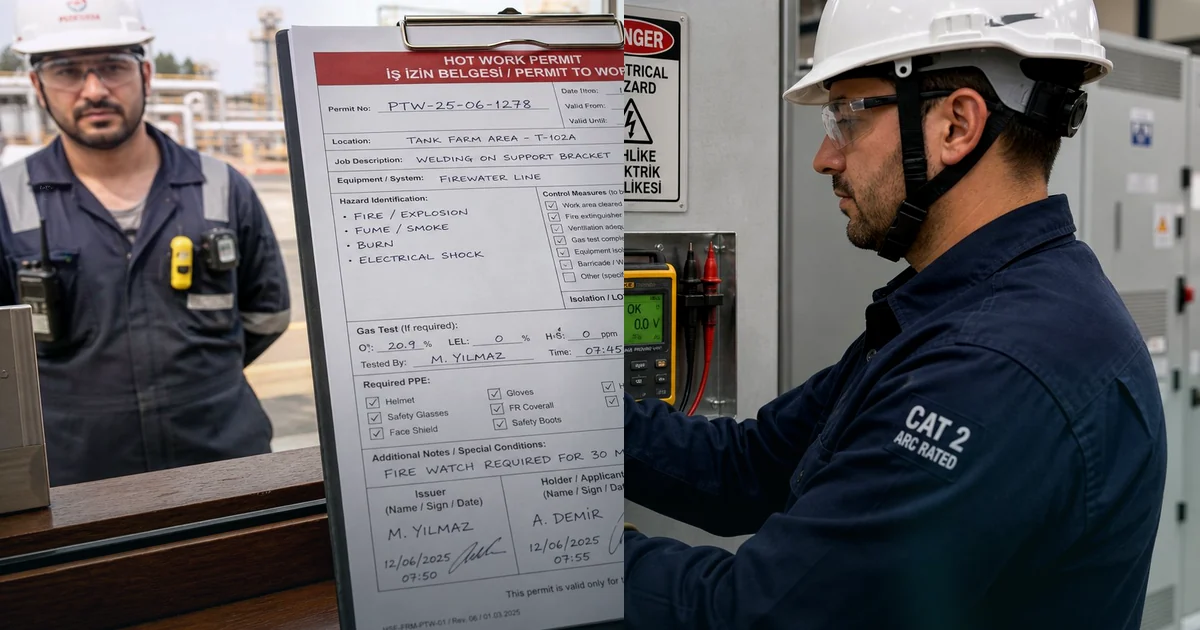 Control of Work
A practical technical HSE guide based on field experience.
Read article →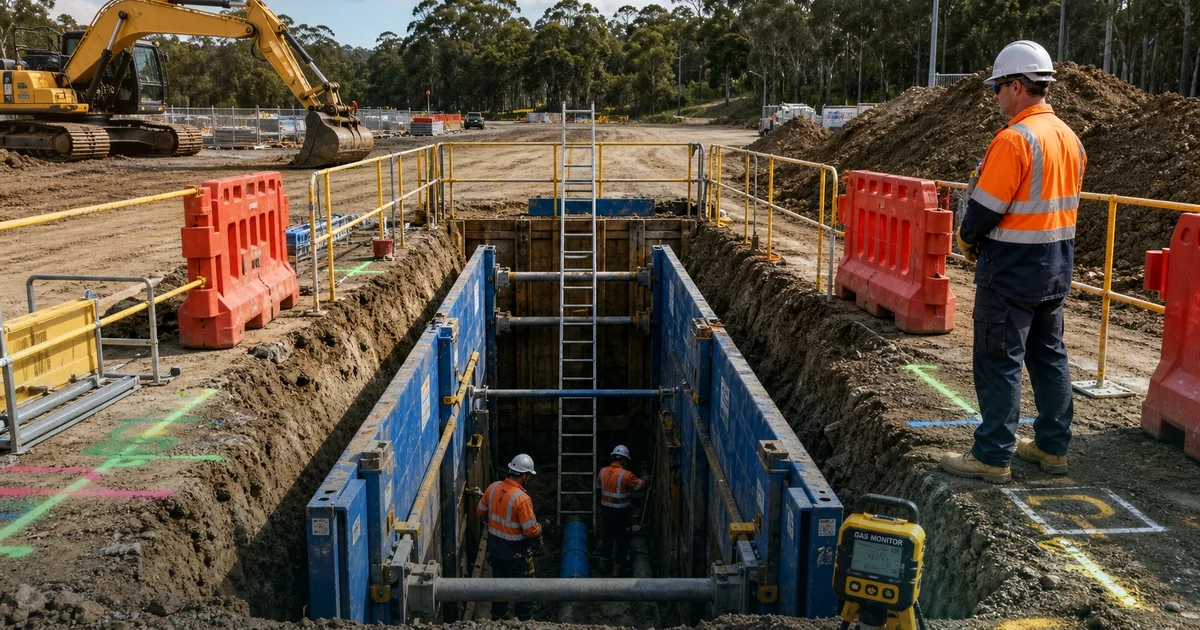 Site Safety
A practical technical HSE guide based on field experience.
Read article →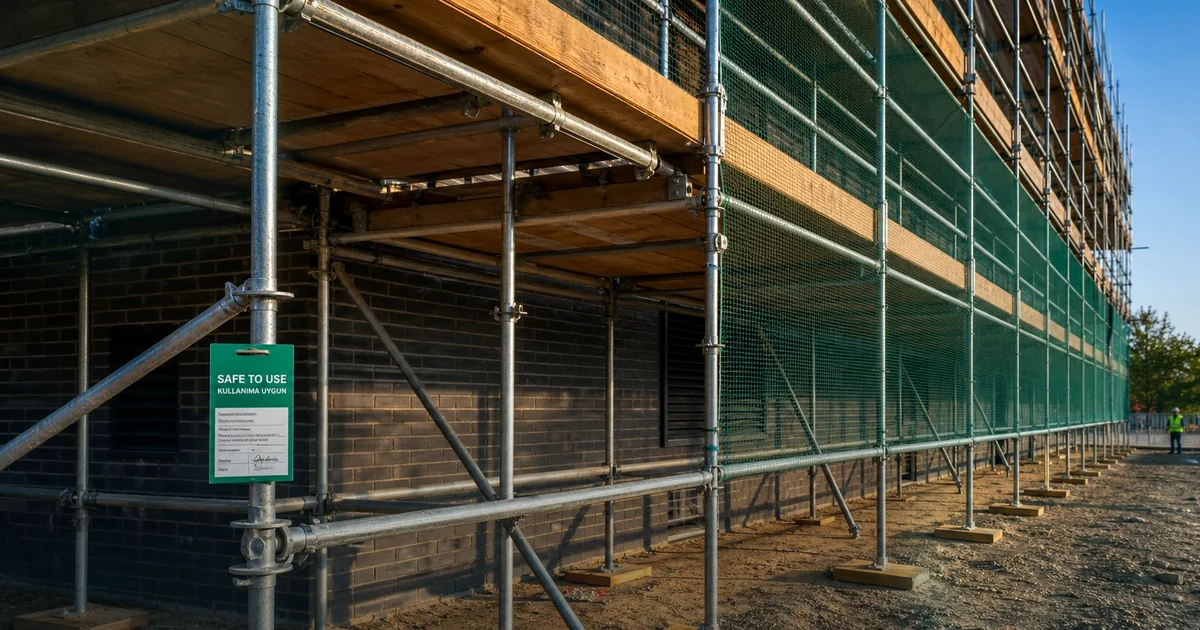 Site Safety
A practical technical HSE guide based on field experience.
Read article →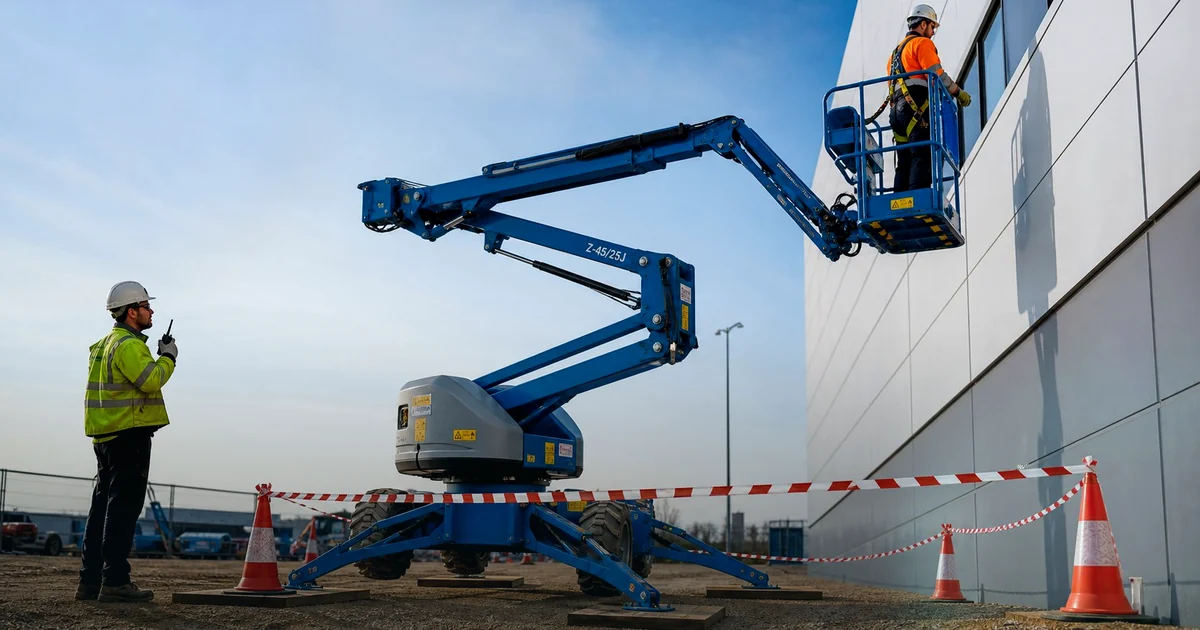 Site Safety
A practical technical HSE guide based on field experience.
Read article →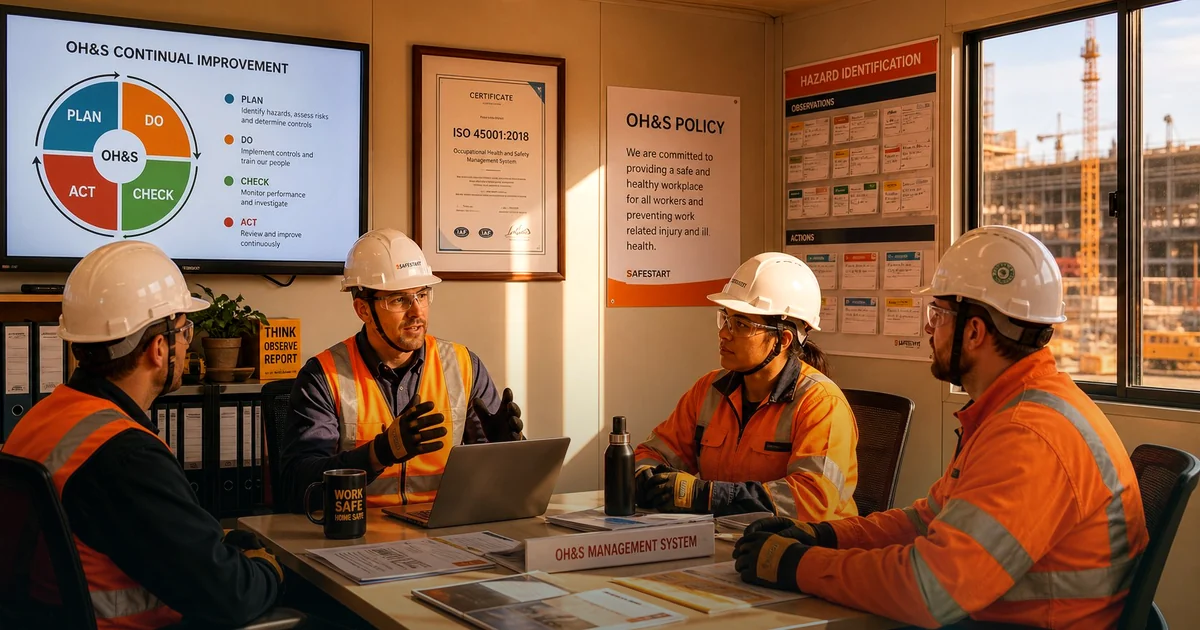 Management System
A practical technical HSE guide based on field experience.
Read article →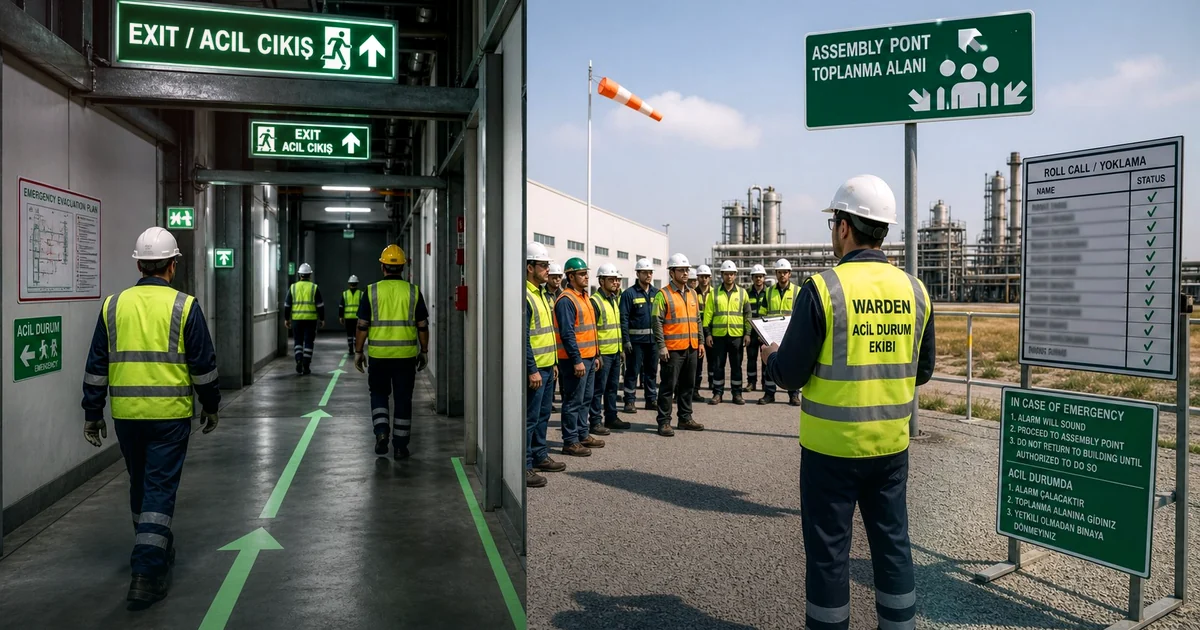 Emergency
A practical technical HSE guide based on field experience.
Read article →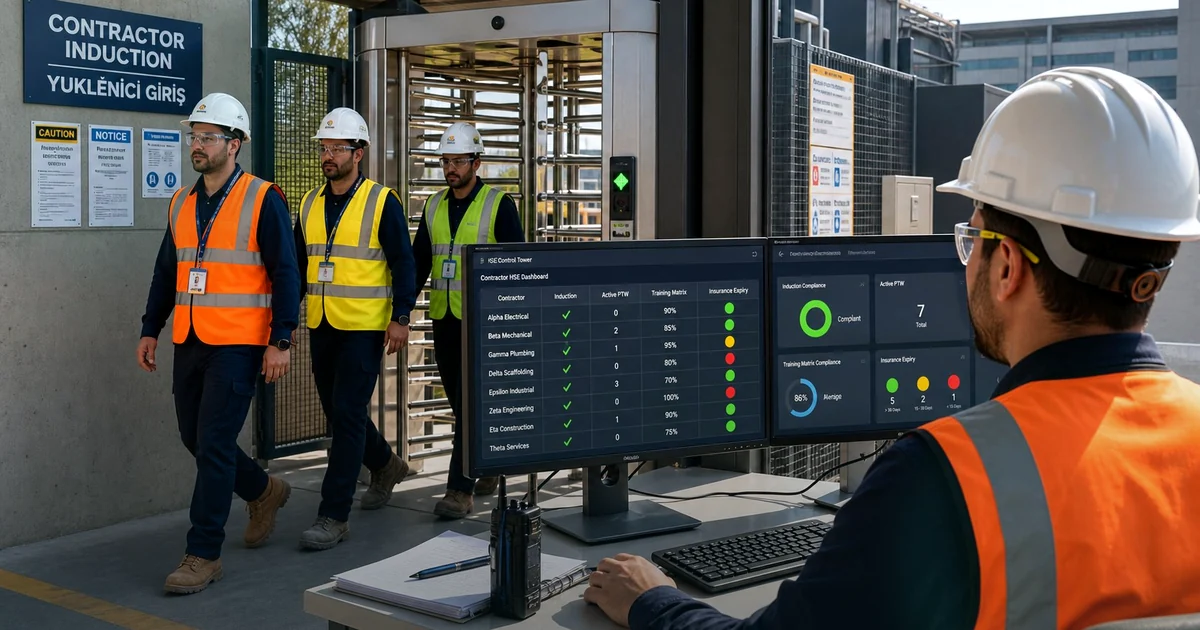 Site Safety
A practical technical HSE guide based on field experience.
Read article →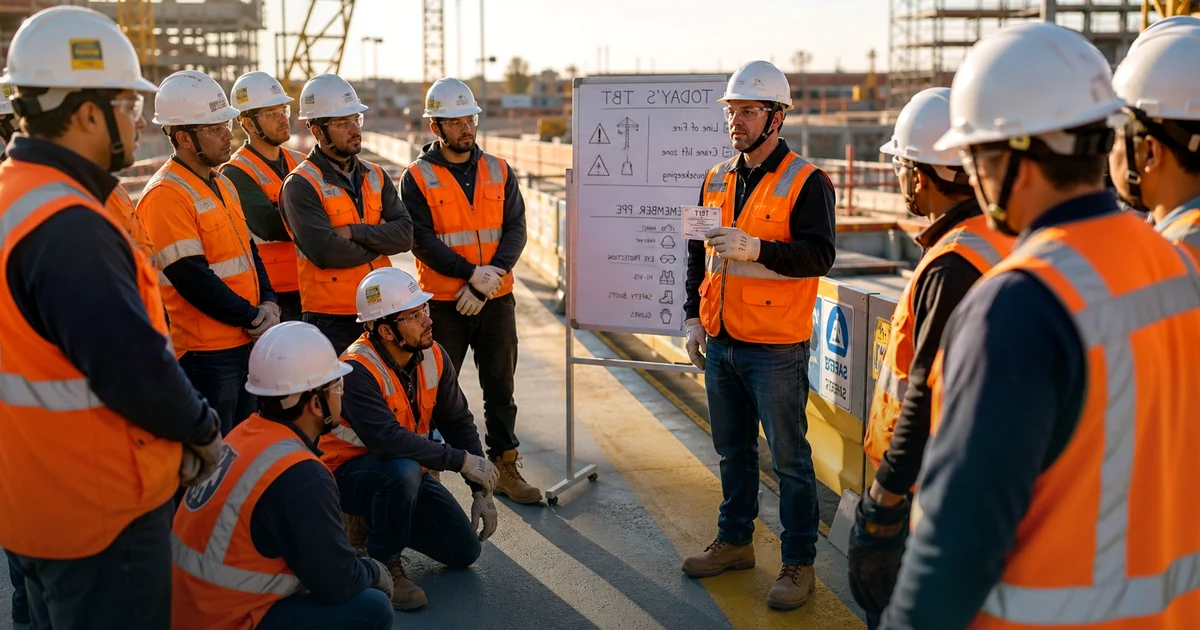 Site Safety
A practical technical HSE guide based on field experience.
Read article →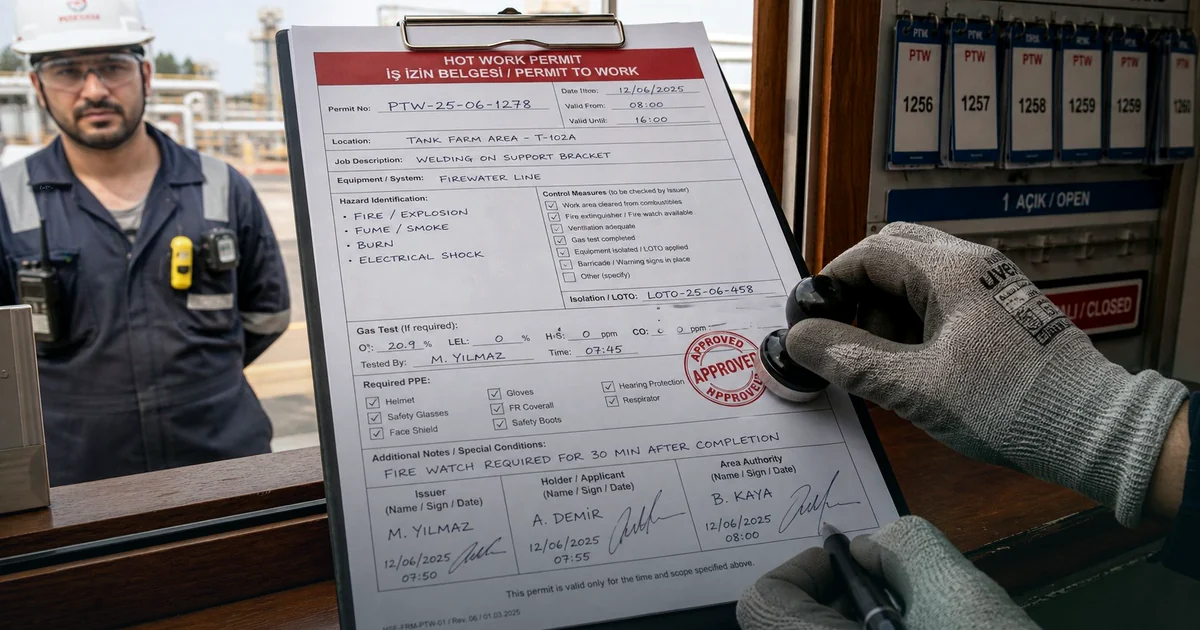 Control of Work
A practical technical HSE guide based on field experience.
Read article →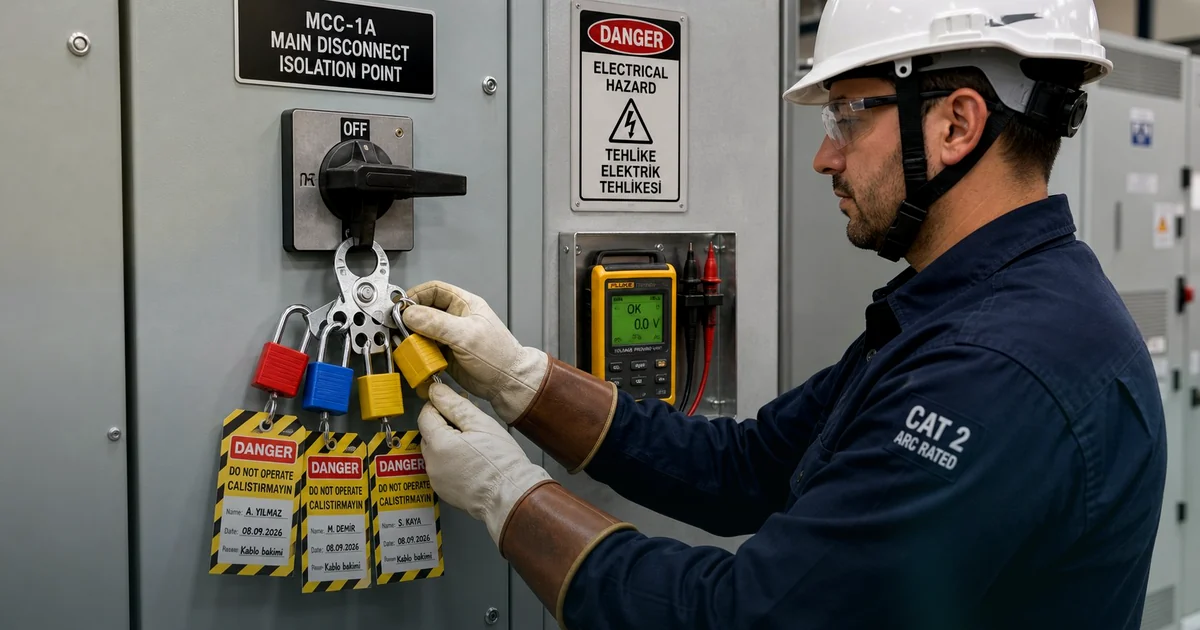 Control of Work
A practical technical HSE guide based on field experience.
Read article →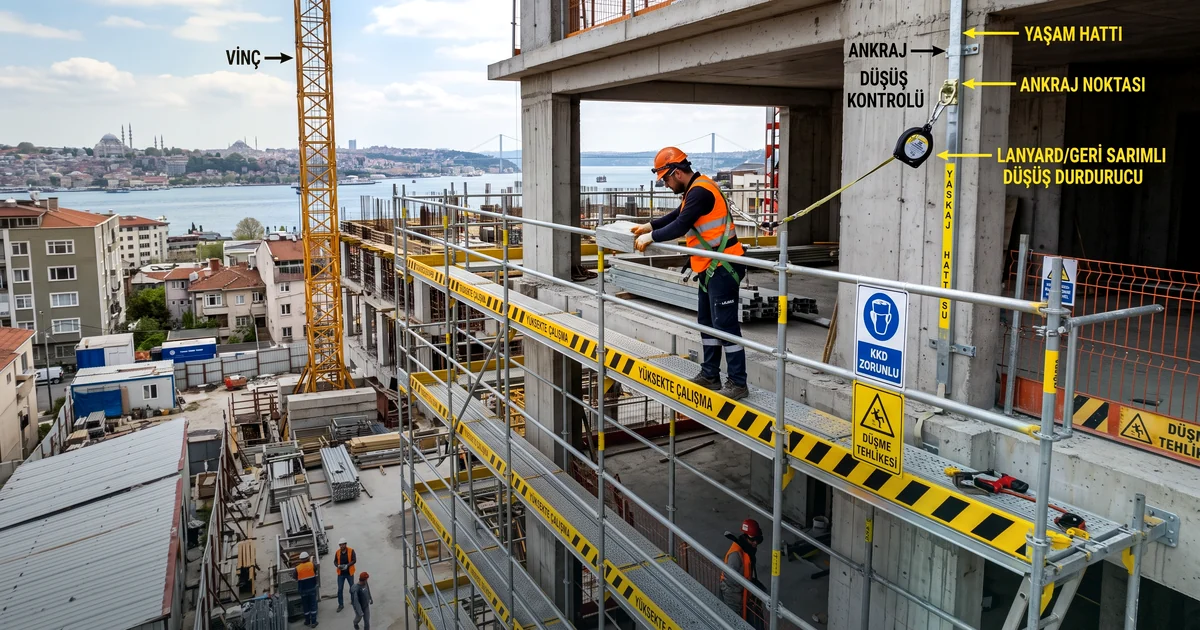 Site Safety
A practical technical HSE guide based on field experience.
Read article →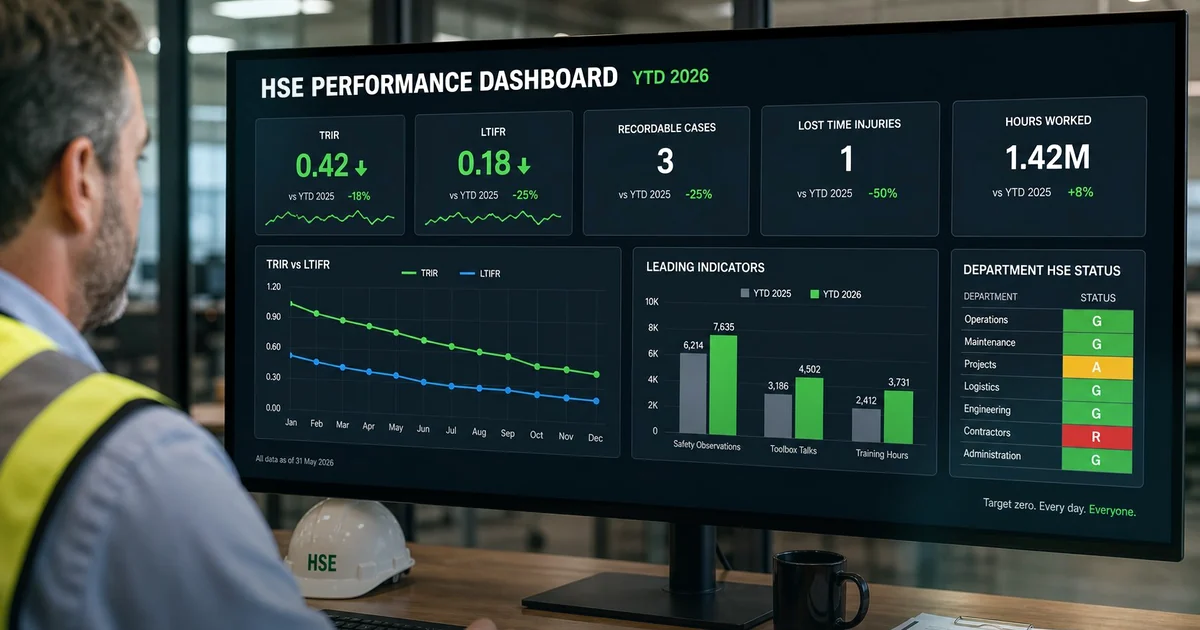 HSE Performance
A practical technical HSE guide based on field experience.
Read article →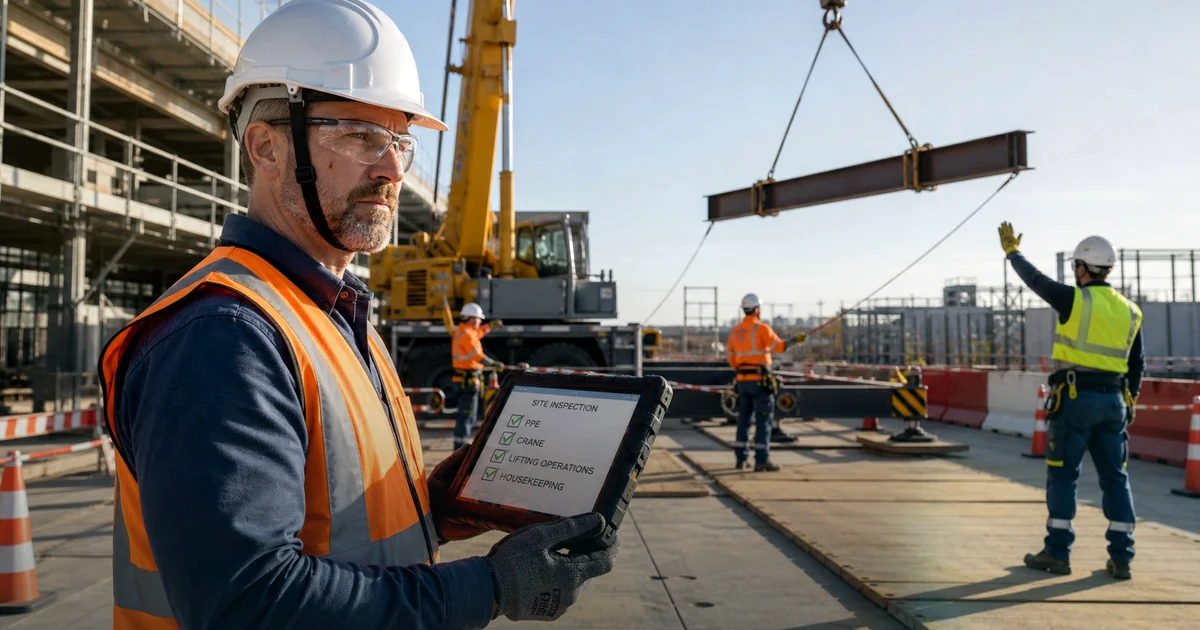 Site Safety
A practical technical HSE guide based on field experience.
Read article →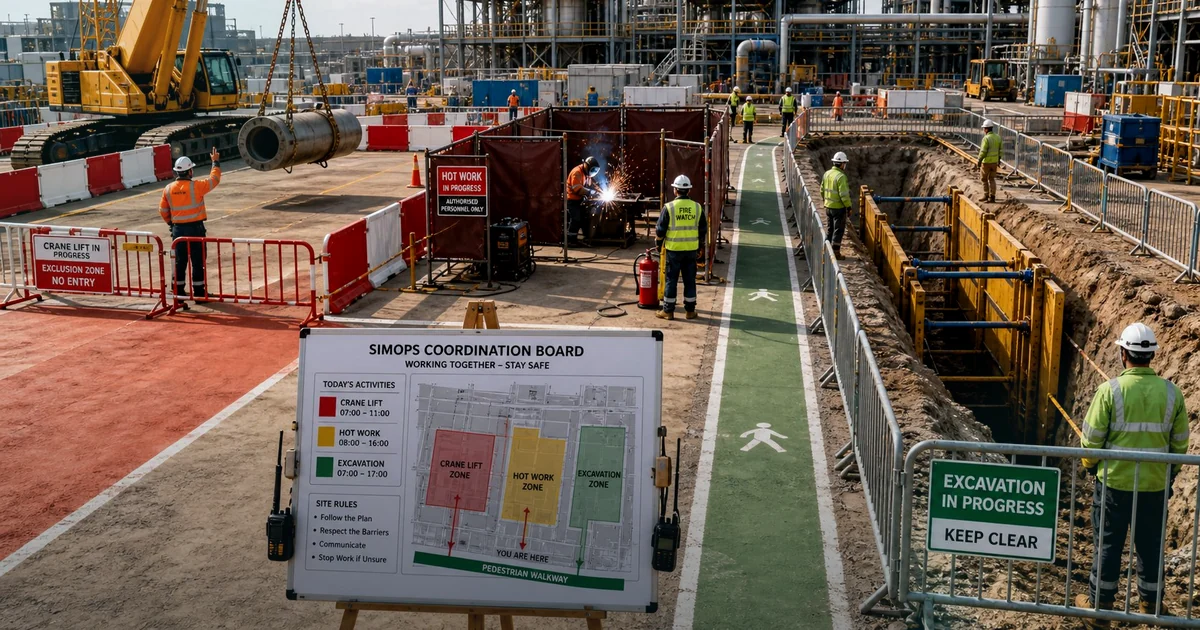 Control of Work
A practical technical HSE guide based on field experience.
Read article →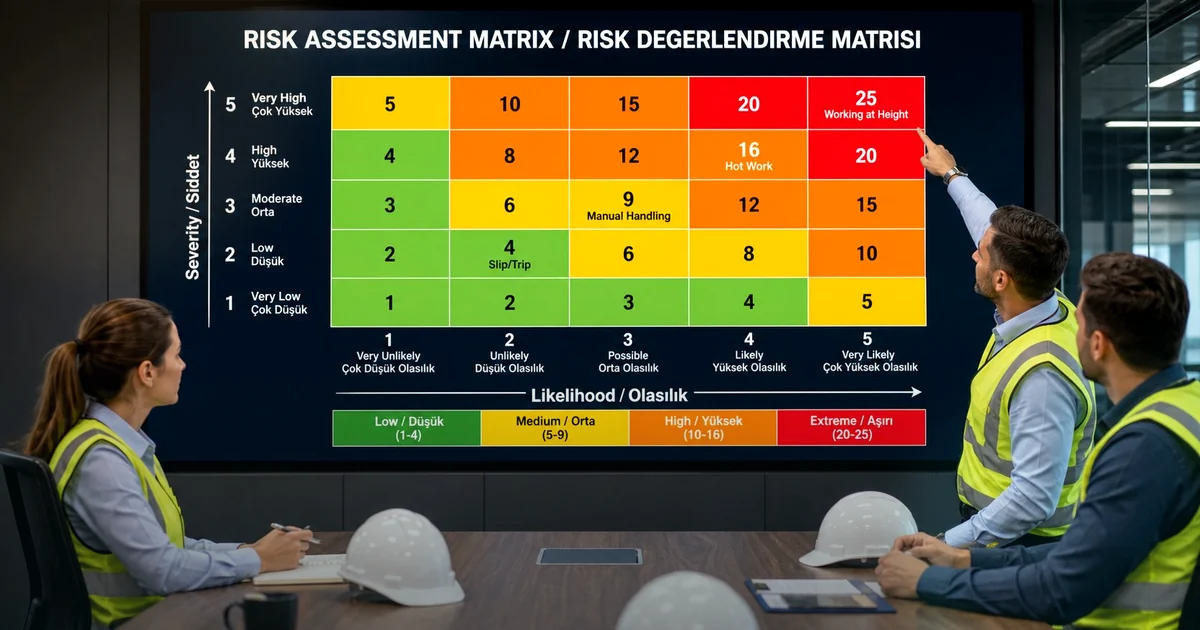 Risk Management
A practical technical HSE guide based on field experience.
Read article →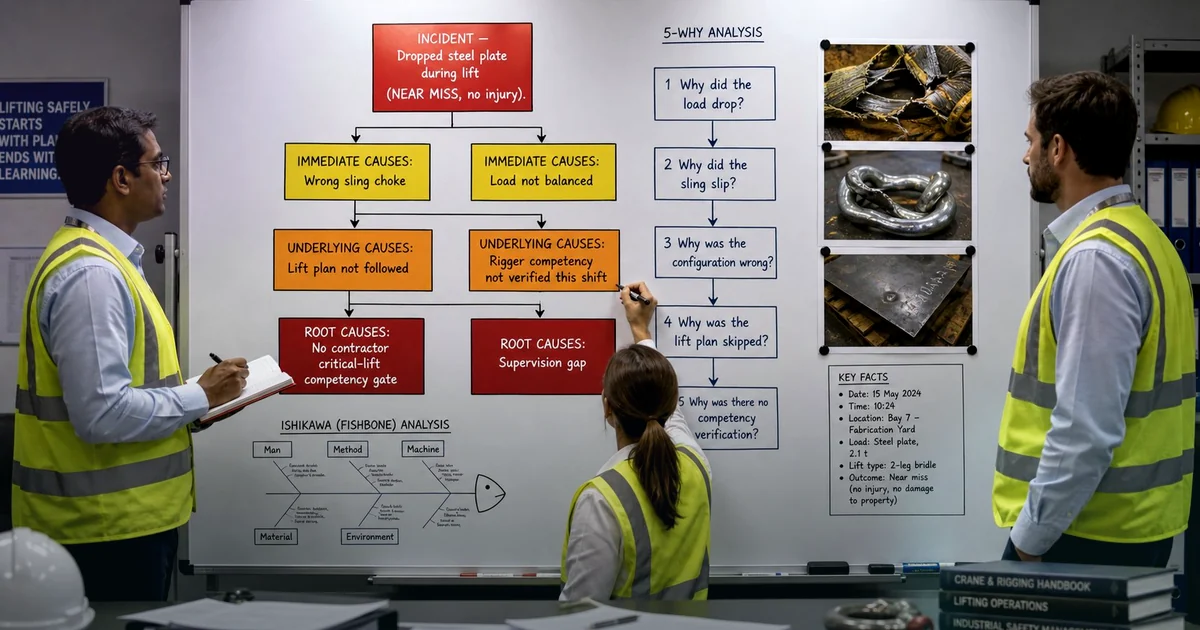 Incident Investigation
A practical technical HSE guide based on field experience.
Read article →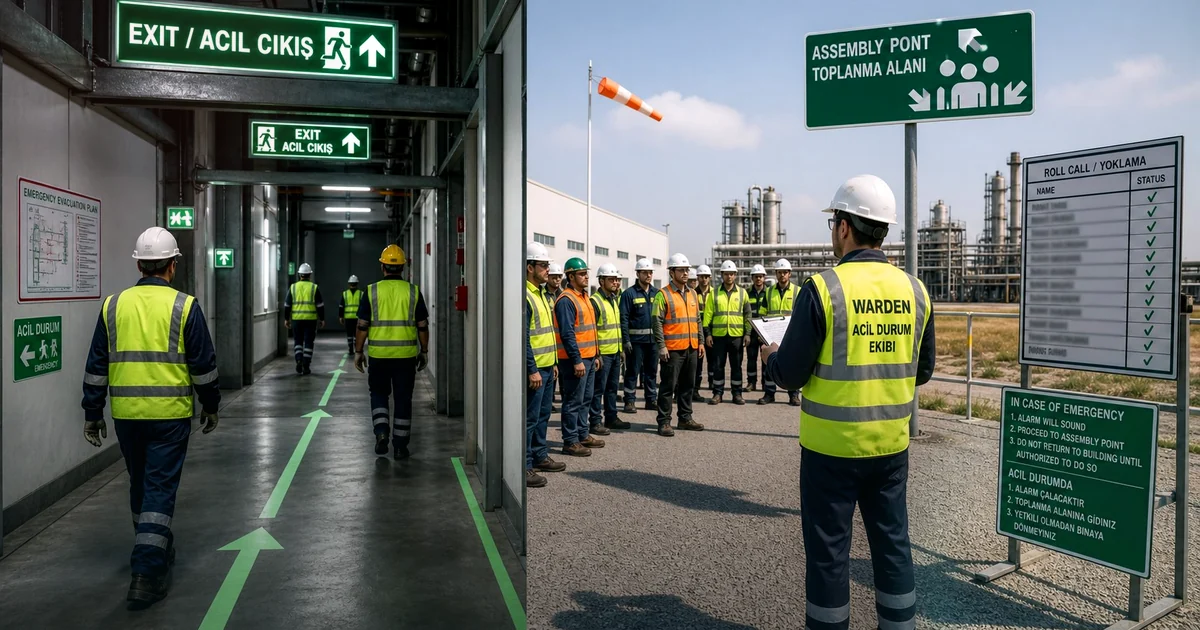 Emergency
A practical technical HSE guide based on field experience.
Read article → Leadership & Culture
A practical technical HSE guide based on field experience.
Read article →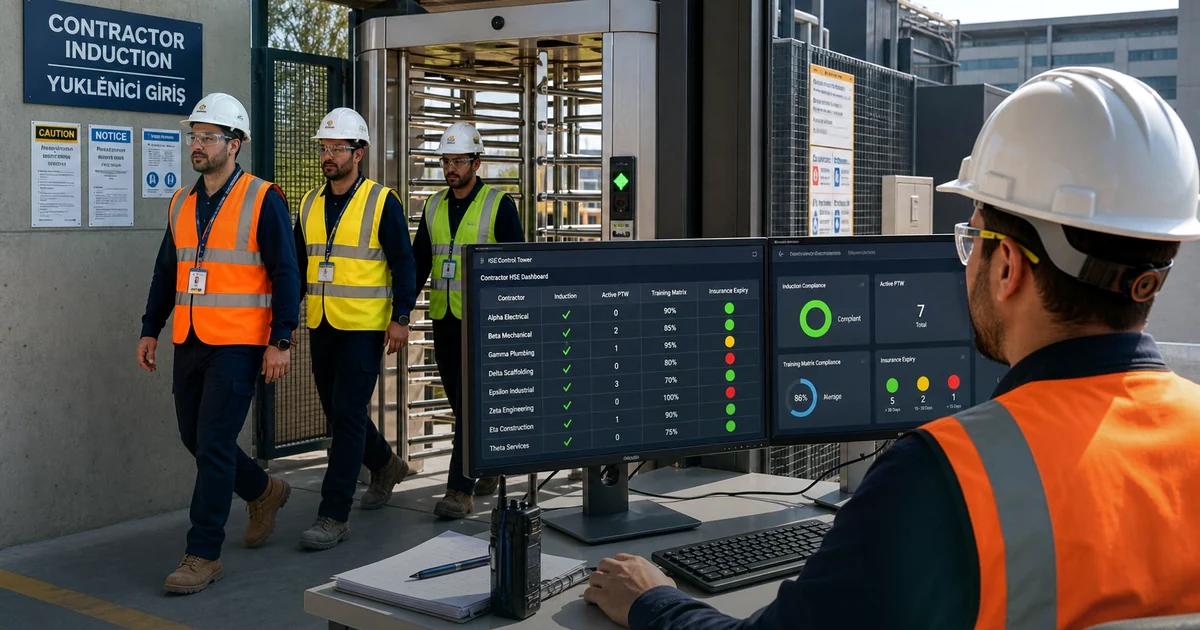 Contractor HSE
A practical technical HSE guide based on field experience.
Read article →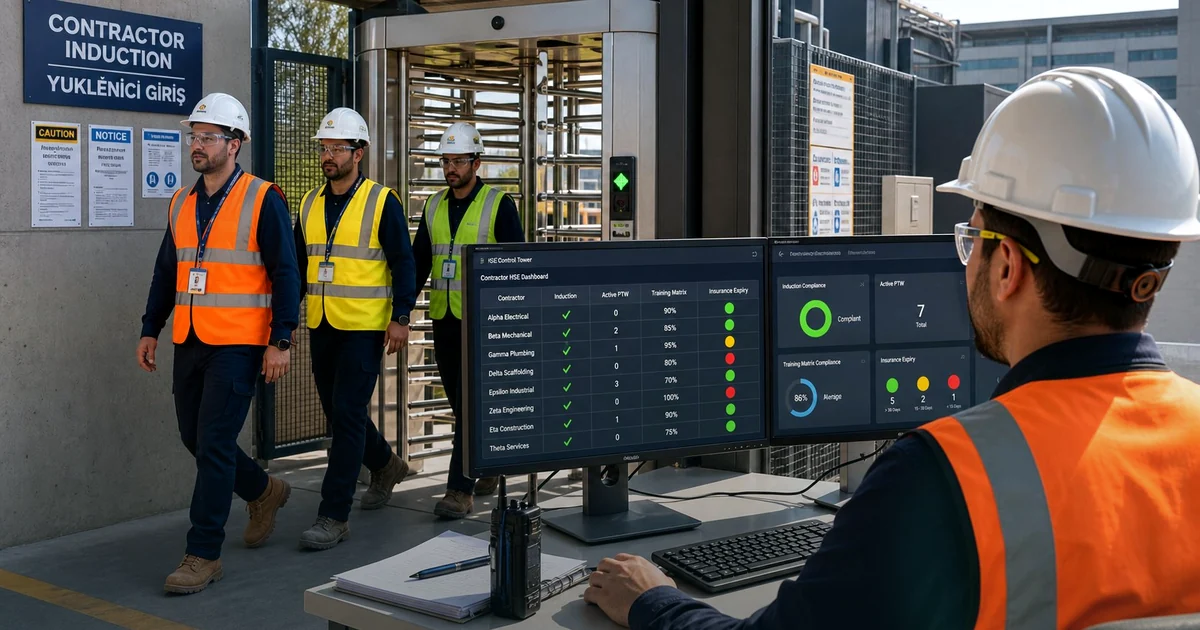 HSE Performance
A practical technical HSE guide based on field experience.
Read article →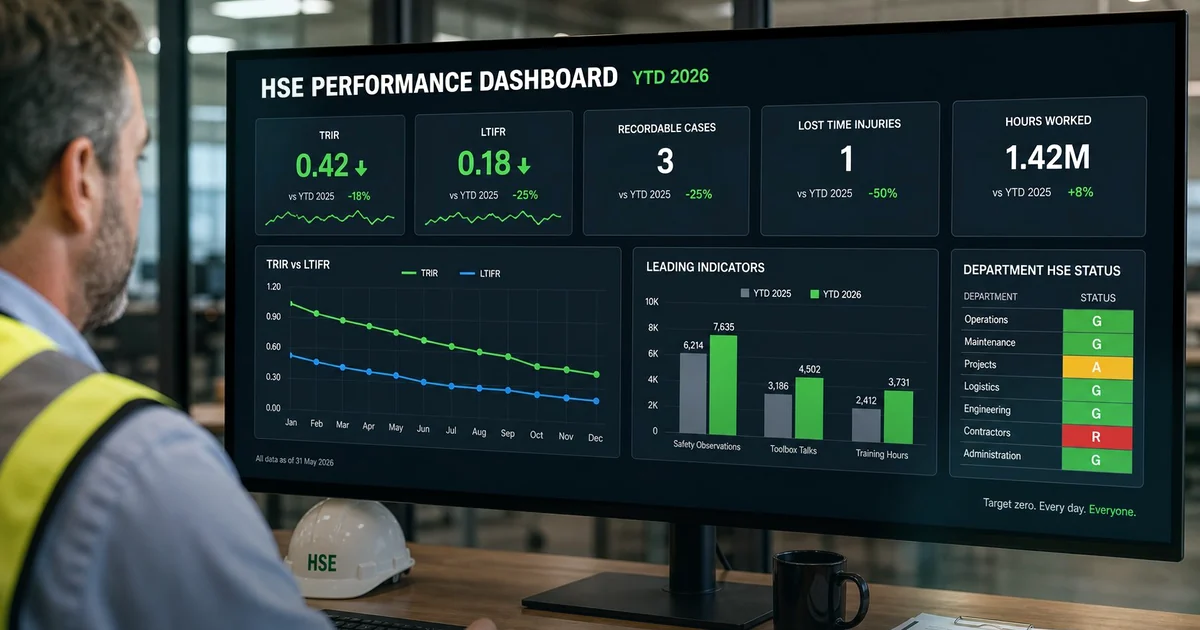 HSE Performance
A practical technical HSE guide based on field experience.
Read article →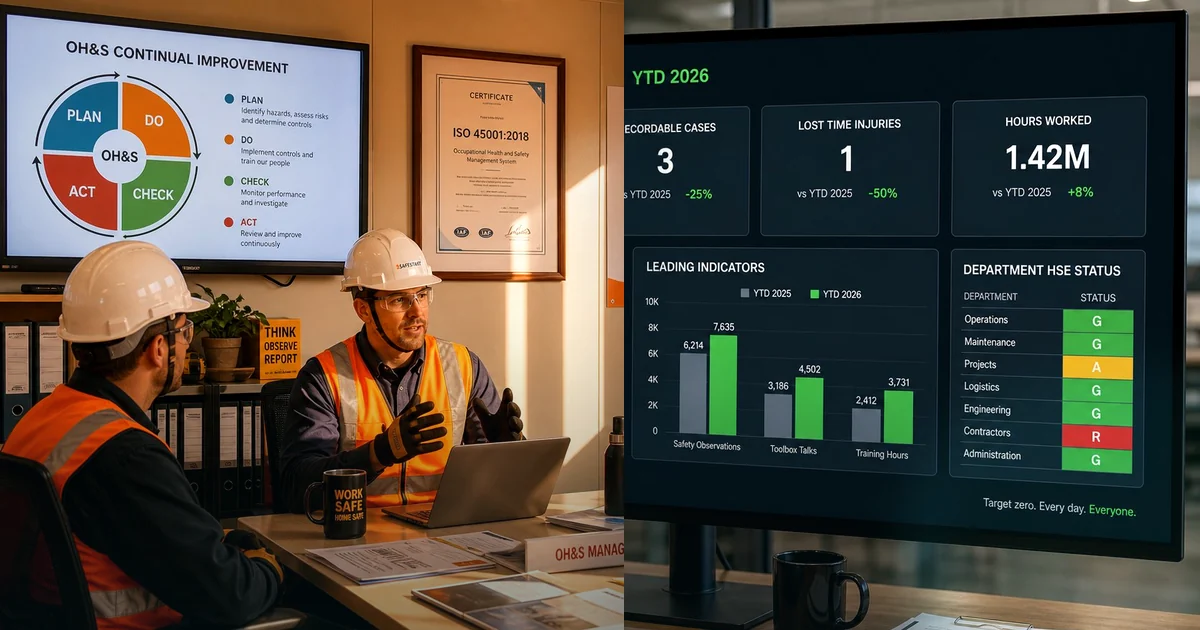 HSE Performance
A practical technical HSE guide based on field experience.
Read article → Leadership & Culture
A practical technical HSE guide based on field experience.
Read article → Training
A practical technical HSE guide based on field experience.
Read article → Legislation
A practical technical HSE guide based on field experience.
Read article → Management System
A practical technical HSE guide based on field experience.
Read article →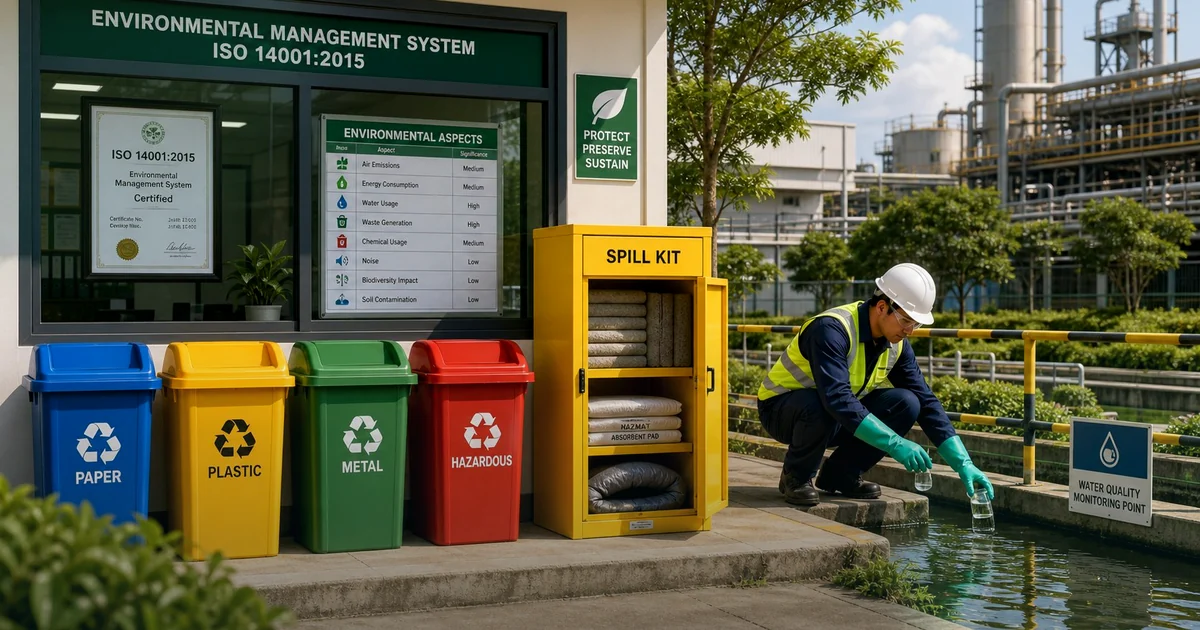 Environment
A practical technical HSE guide based on field experience.
Read article →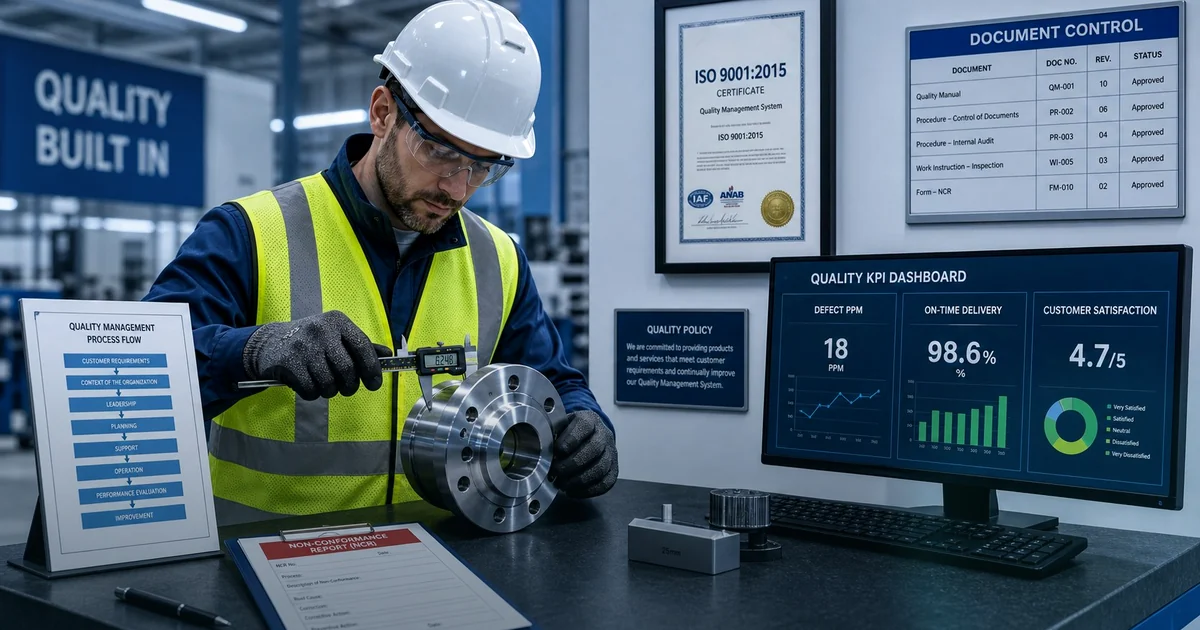 Management System
A practical technical HSE guide based on field experience.
Read article →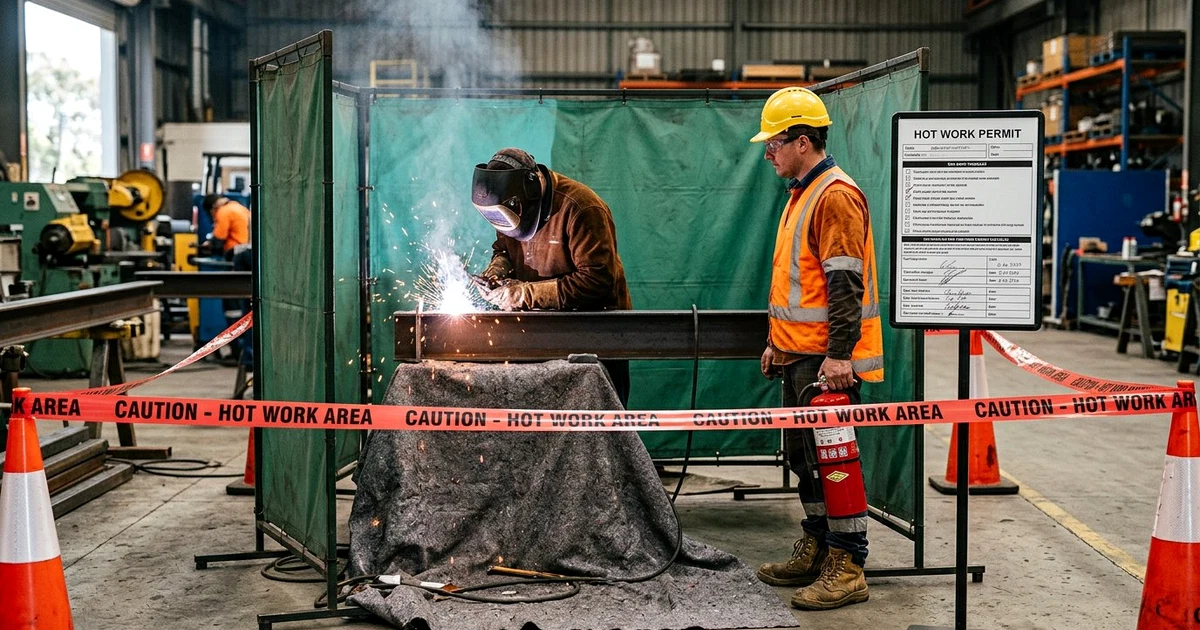 Control of Work
Hot work must combine permit authorization, area preparation, fire watch and post-work monitoring rather than treating the permit as a formality.
Read article →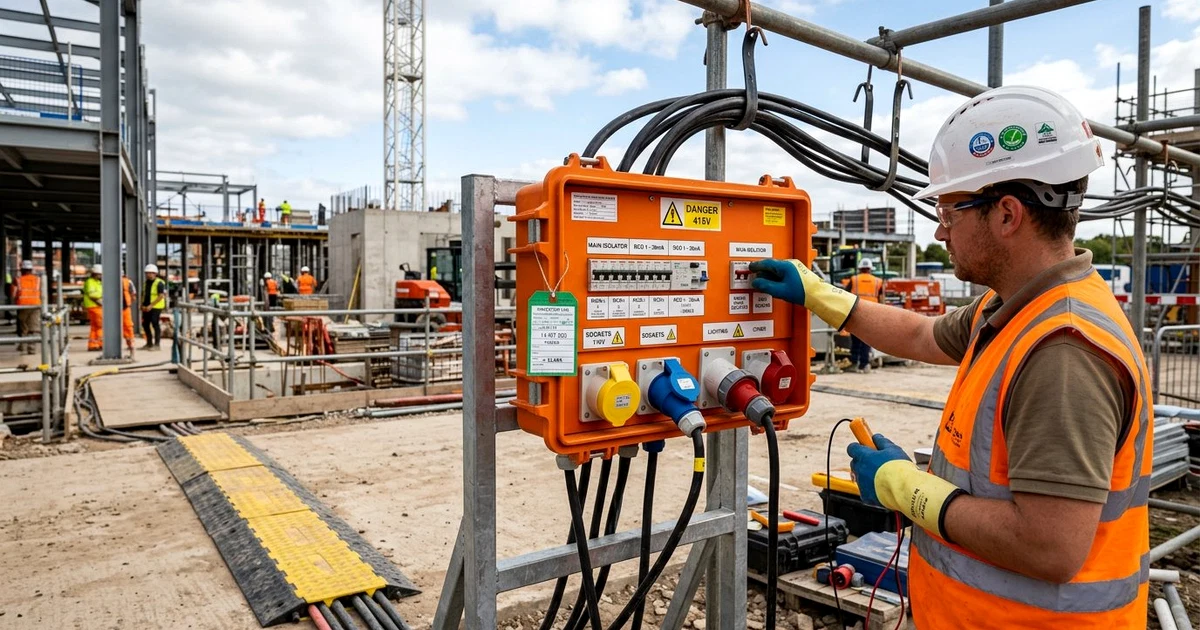 Site Safety
Temporary electrical systems change frequently, so panel integrity, RCD protection, earthing and cable routing require routine field verification.
Read article →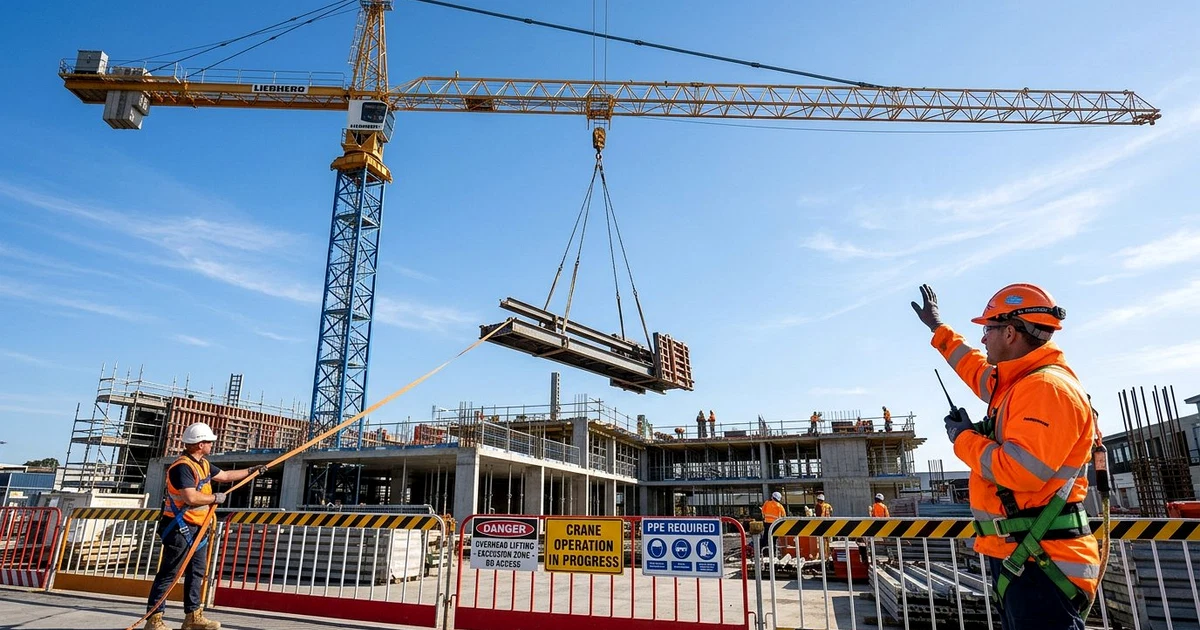 Site Safety
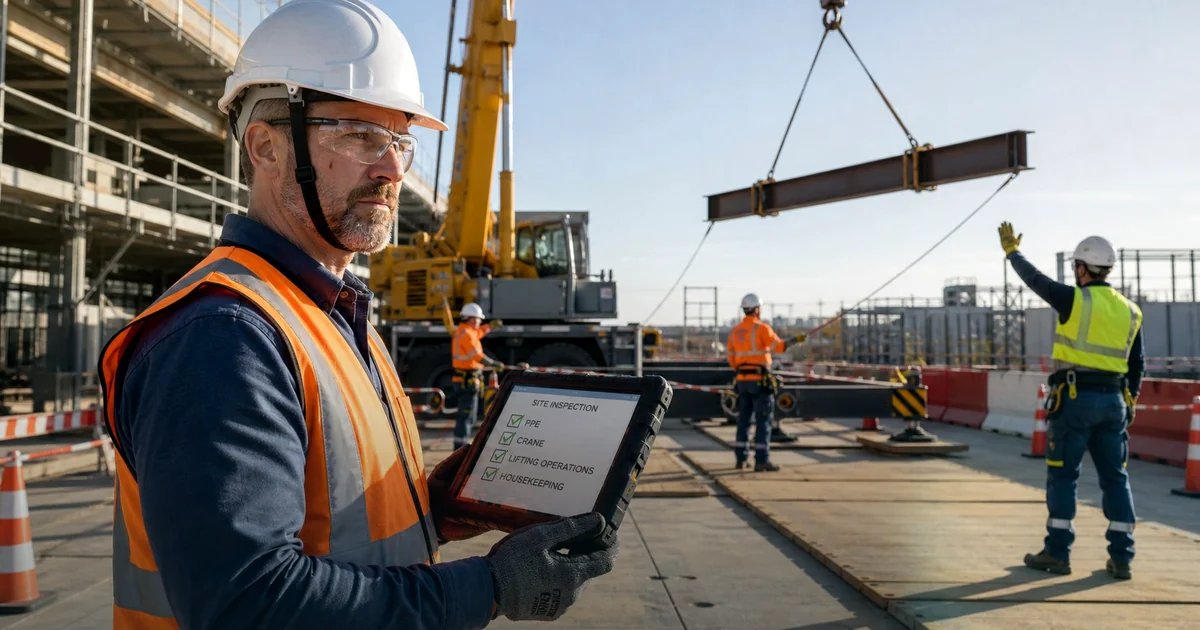
Tower crane operations depend on controlling the load path, wind, communication, lifting accessories and exclusion zones at the same time.
Read article →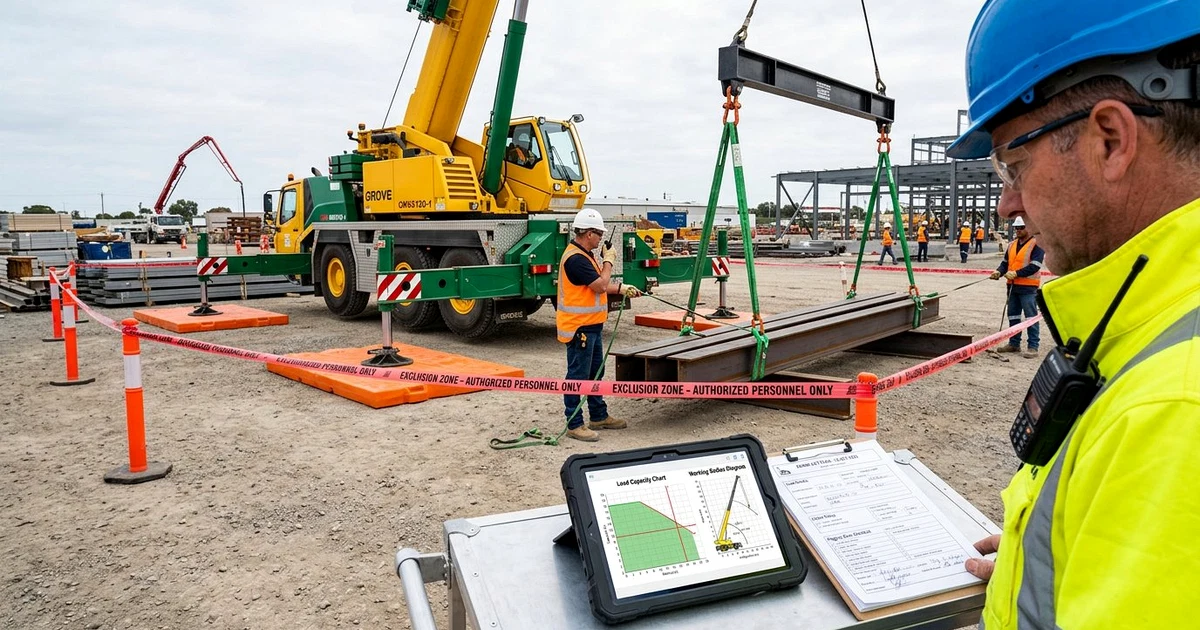 Site Safety
A robust lifting plan considers ground conditions, radius, load weight, accessories, team roles and contingency arrangements, not just crane capacity.
Read article →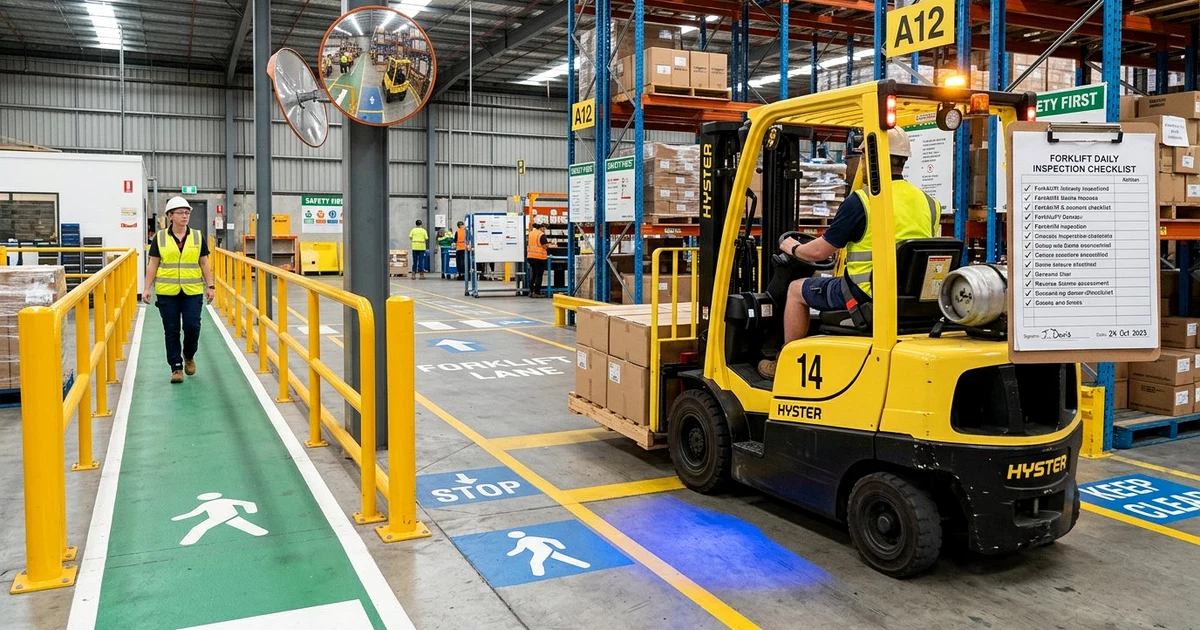 Site Safety
Forklift incidents frequently involve pedestrian interaction, restricted visibility and unstable loads; physical segregation and traffic planning are primary controls.
Read article →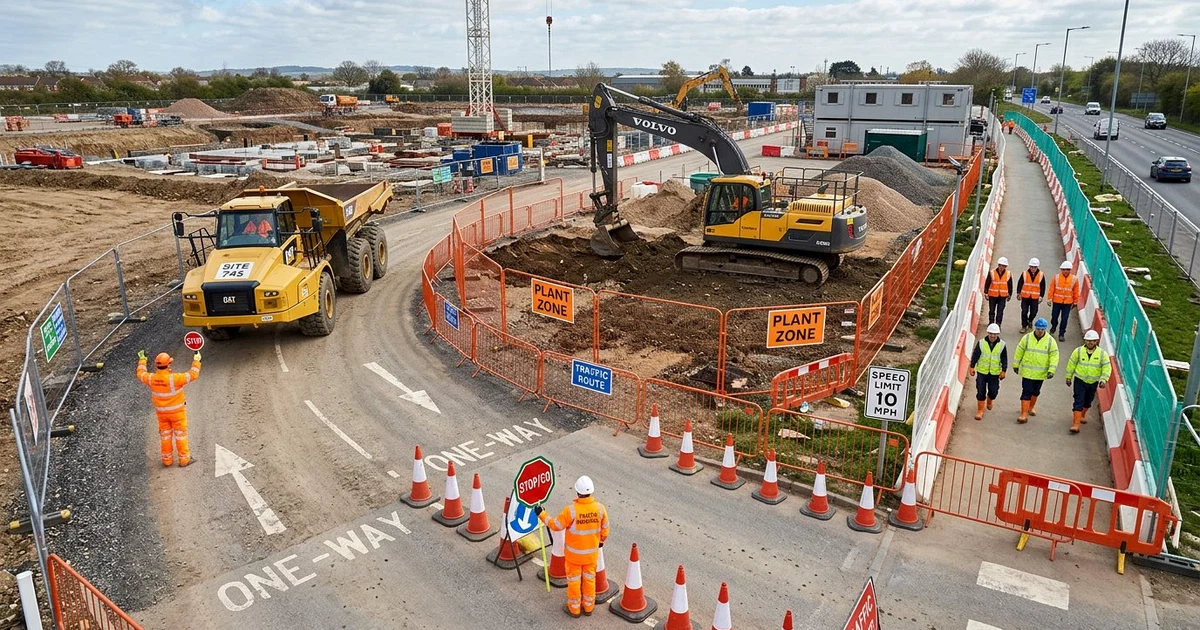 Site Safety
A construction traffic management plan integrates access, one-way systems, pedestrian routes, reversing points, loading zones and speed control.
Read article →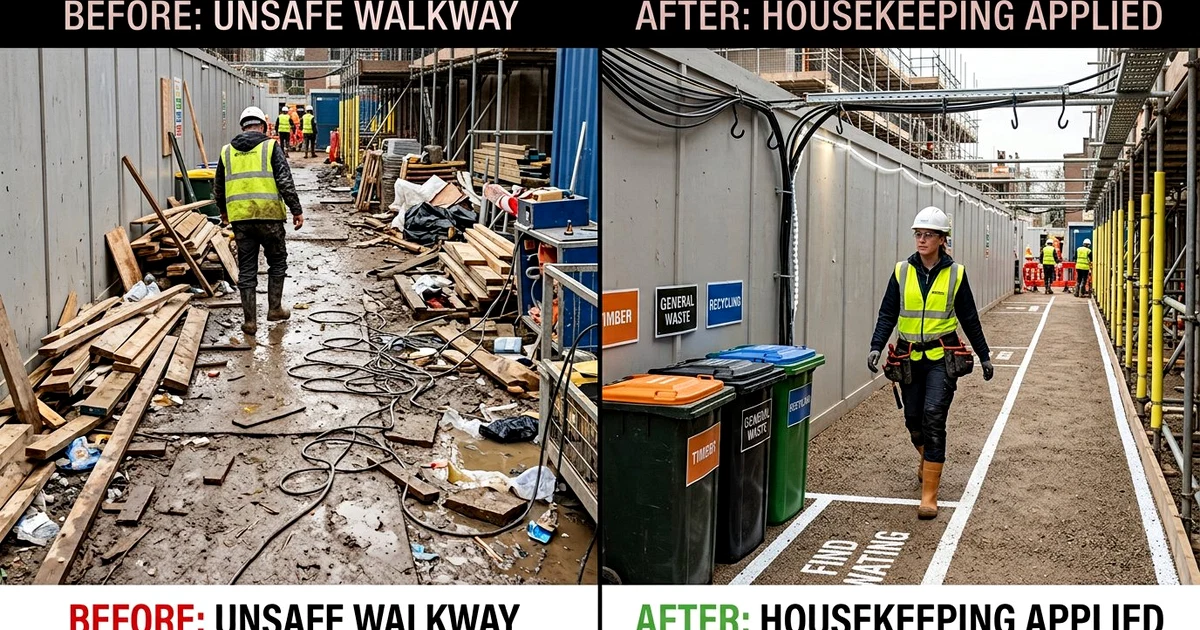 Site Safety
Housekeeping is not cosmetic; it directly affects access, fire load, emergency egress and slip-trip-fall exposure.
Read article →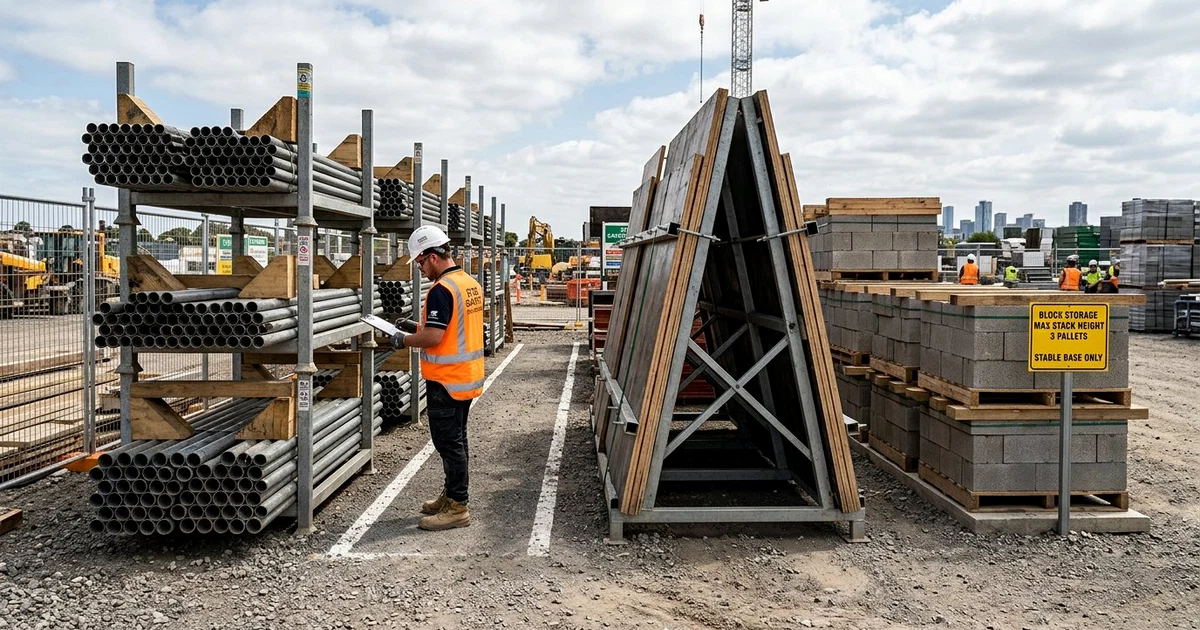 Site Safety
Storage of pipes, formwork, pallets and steel requires control of ground condition, stack height, chocking and safe access.
Read article →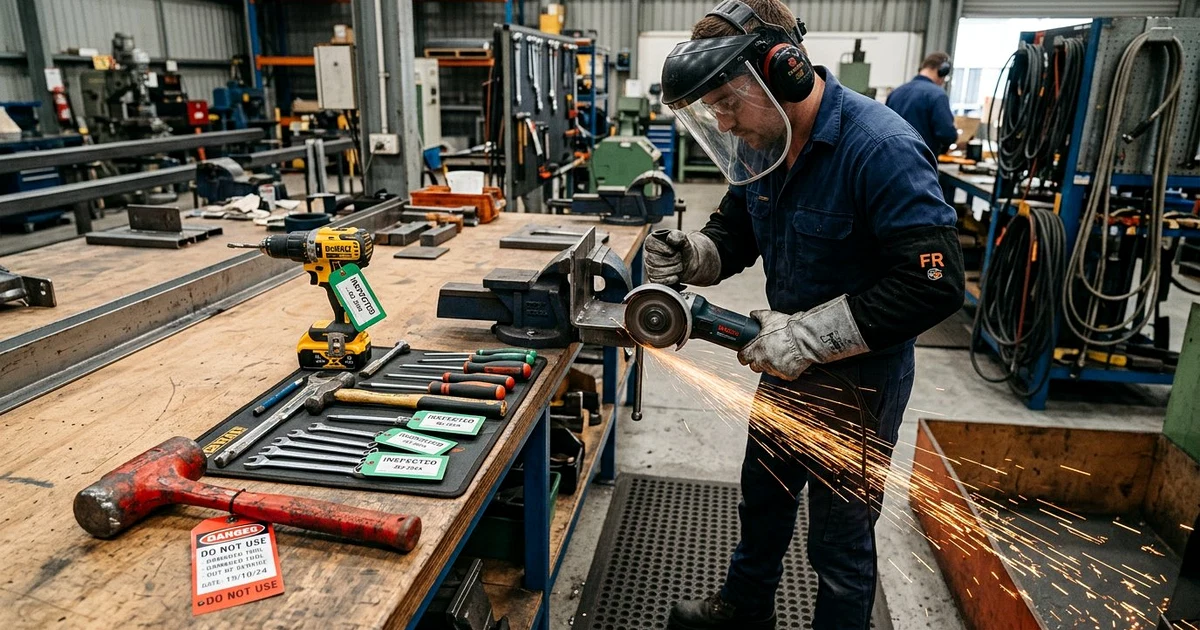 Site Safety
For grinders, drills, cutting and hand tools, guards, accessory selection, electrical integrity and user competence are key controls.
Read article →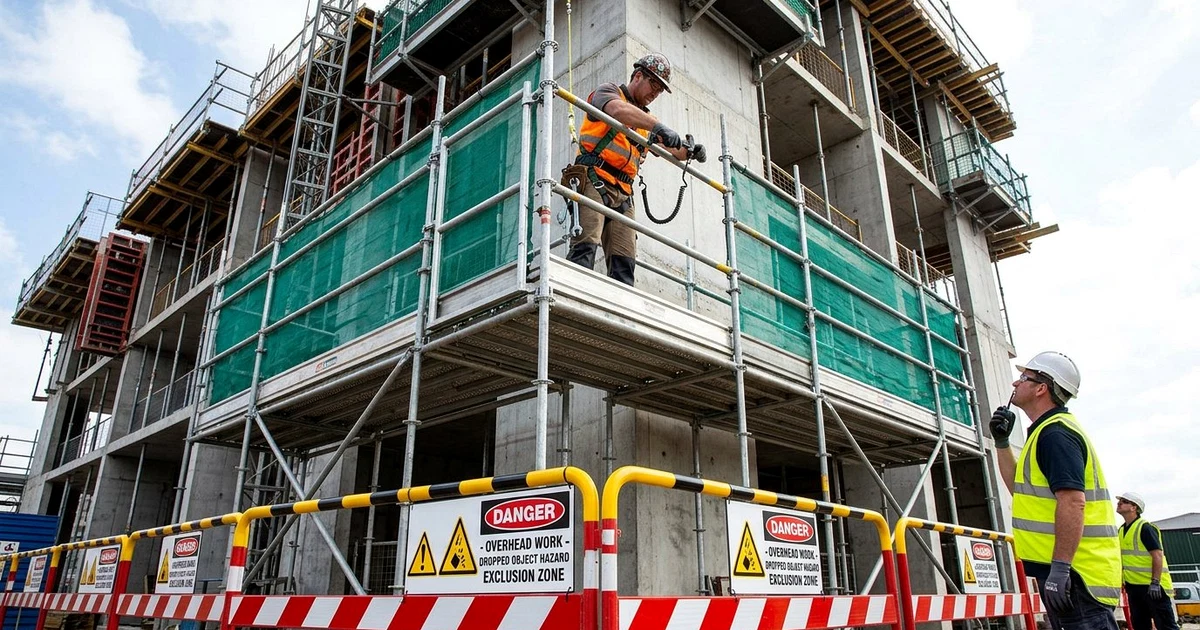 Site Safety
Work at height creates risk not only of people falling but also tools and materials striking people below.
Read article →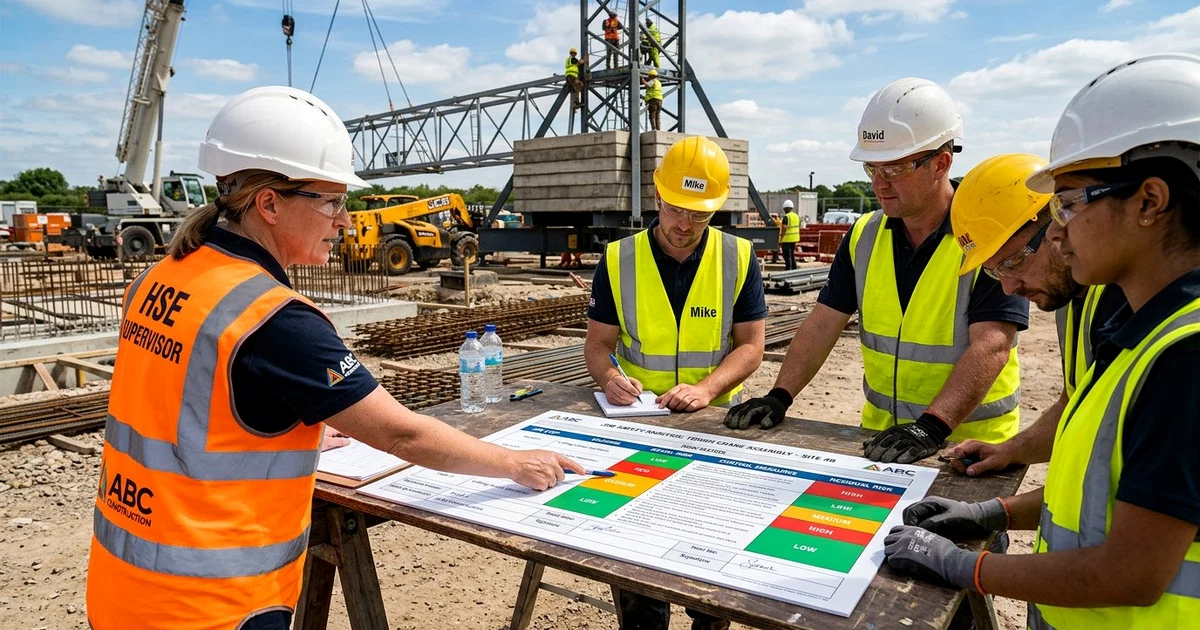 Risk Management
JSA/JHA breaks a task into steps so the crew can identify hazards and controls before work starts.
Read article →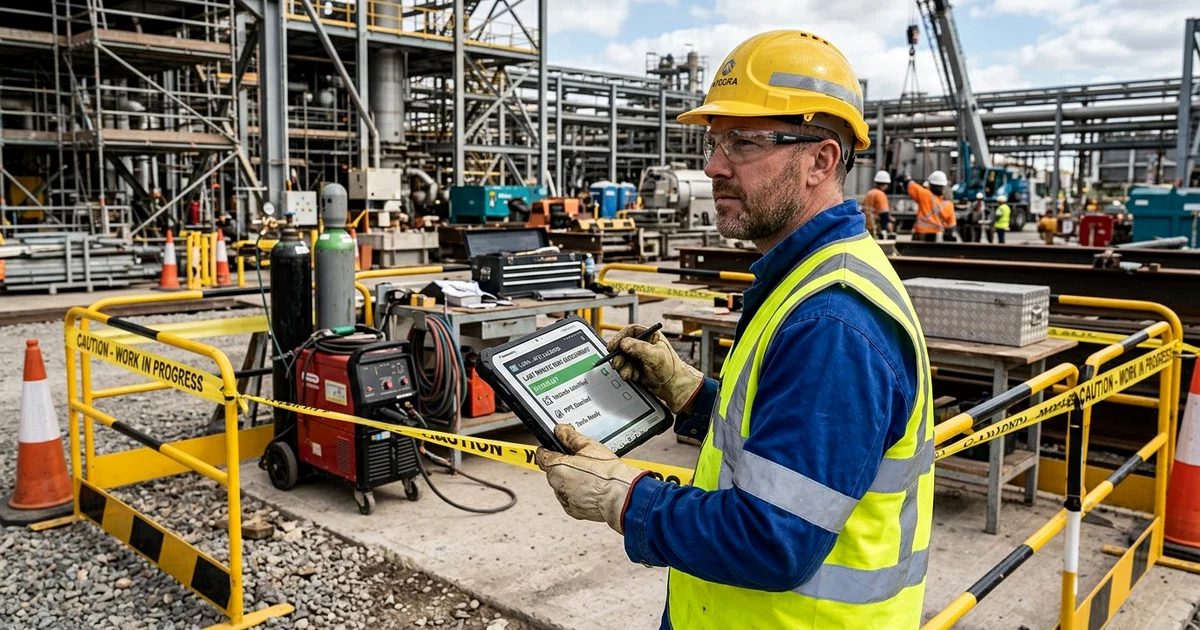 Risk Management
LMRA does not replace formal risk assessment; it is a short stop-and-check to confirm that conditions still match the plan immediately before work starts.
Read article →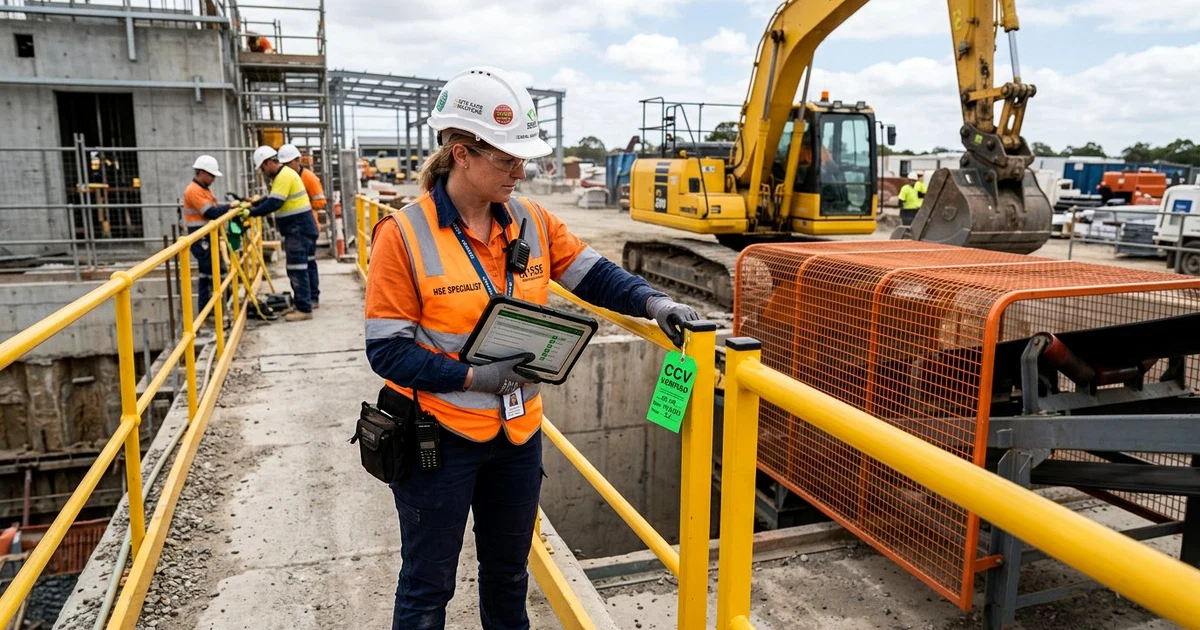 Risk Management
Critical control verification tests whether the barrier that prevents a fatal or serious event is actually working in the field, not whether a procedure exists.
Read article →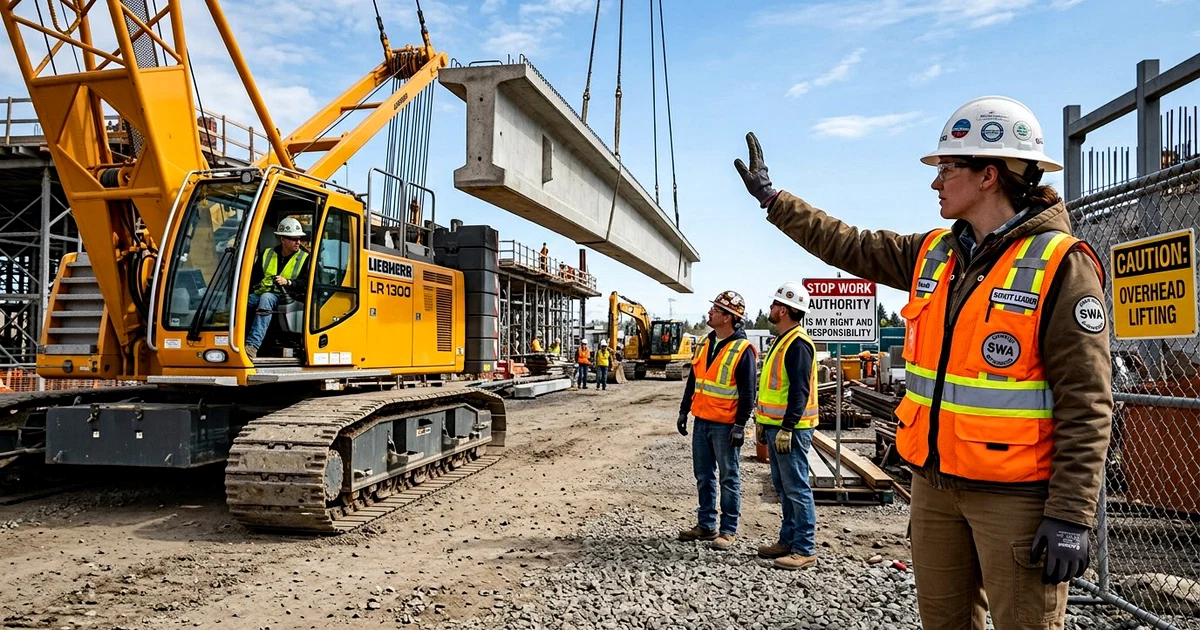 Leadership & Culture
Stop Work Authority only works when workers know they will be supported; trigger criteria, reporting and restart authorization must be clear.
Read article →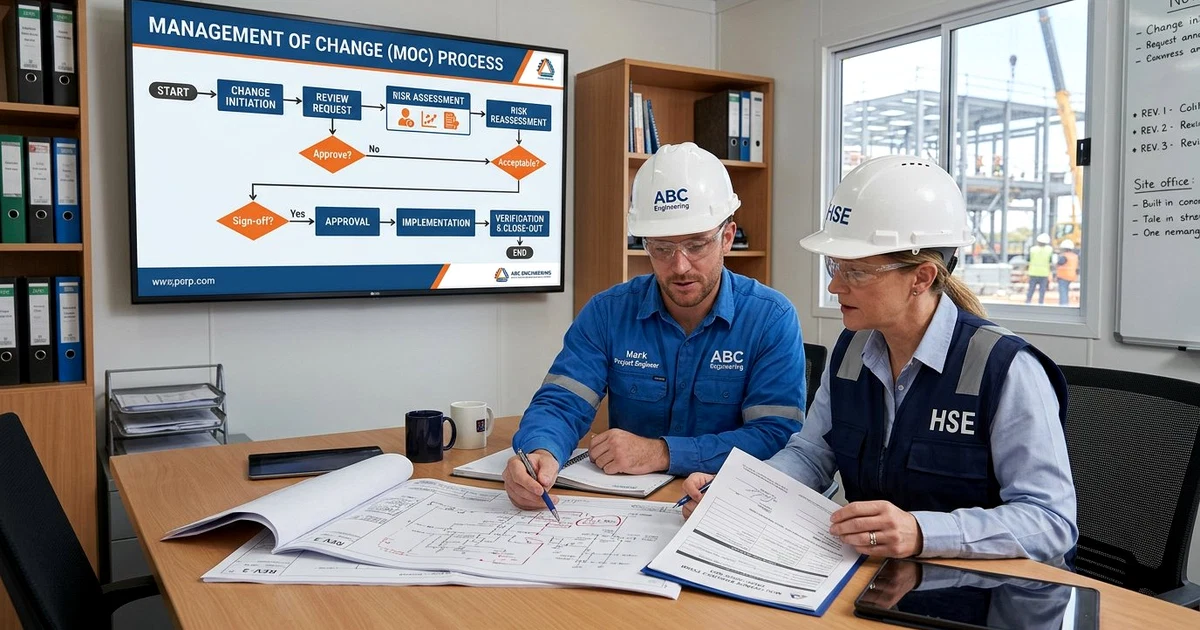 Management System
When equipment, method, design, materials, organization or schedule changes, the existing risk assessment may no longer reflect the work.
Read article →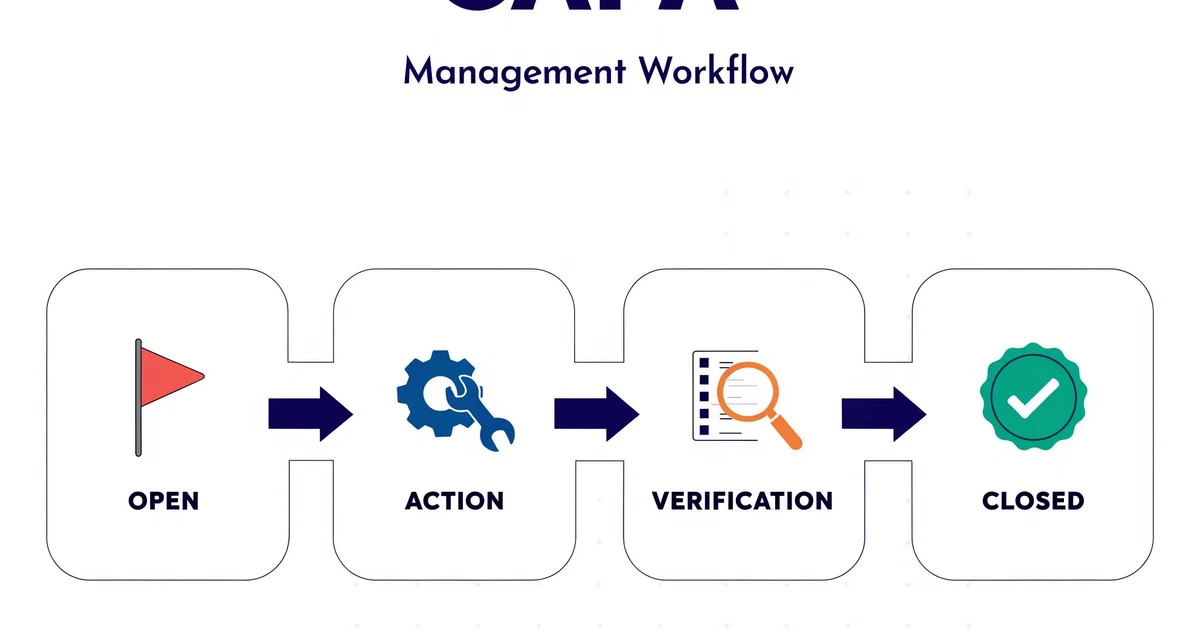 Management System
CAPA is more than uploading a closure photo; it requires addressing causes, assigning ownership and due dates, and verifying effectiveness.
Read article →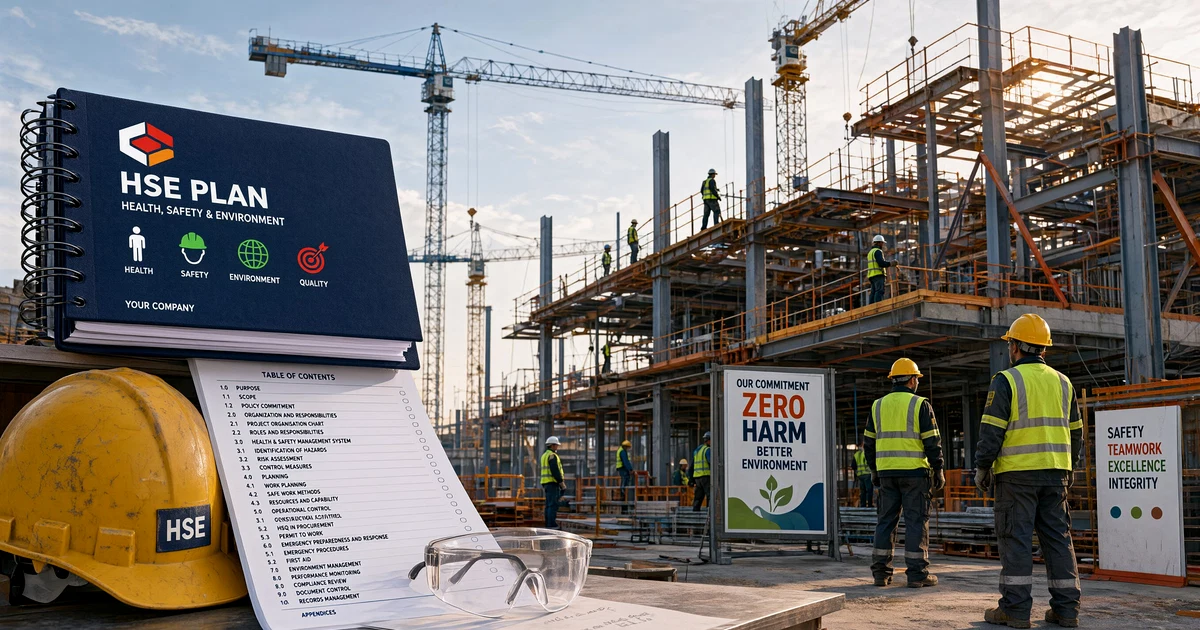 Management System
An HSE plan is a living management document that defines how safety will be governed throughout the project, not merely a tender attachment.
Read article →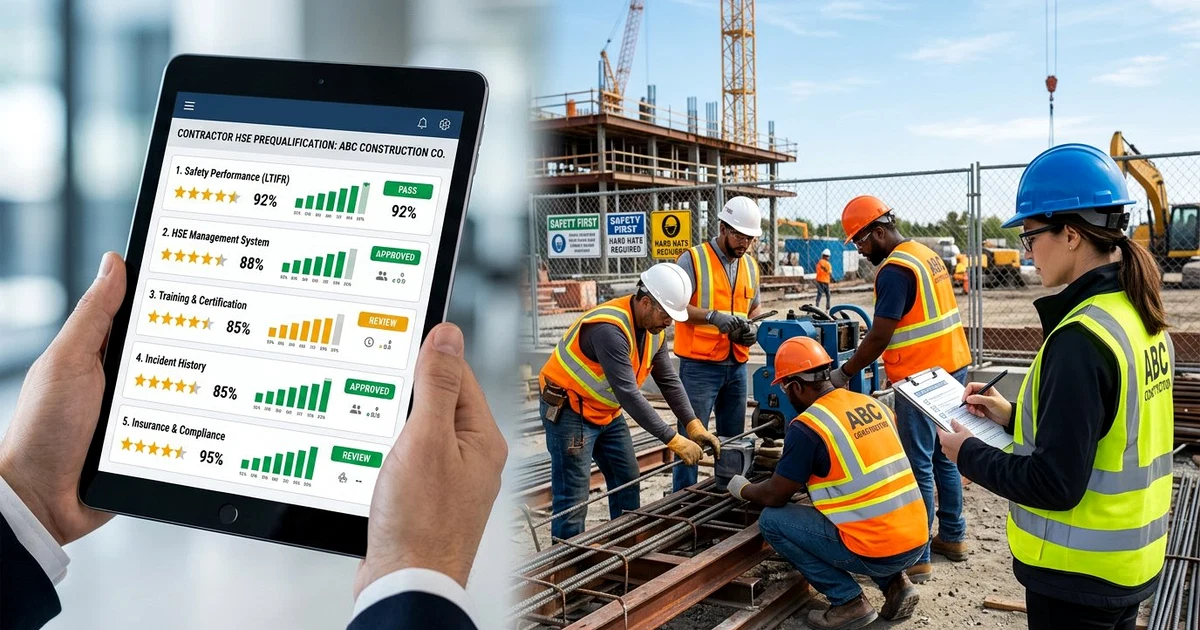 Contractor HSE
 performance starts before mobilization; past performance, competence, resources and management systems should inform procurement decisions.
Read article →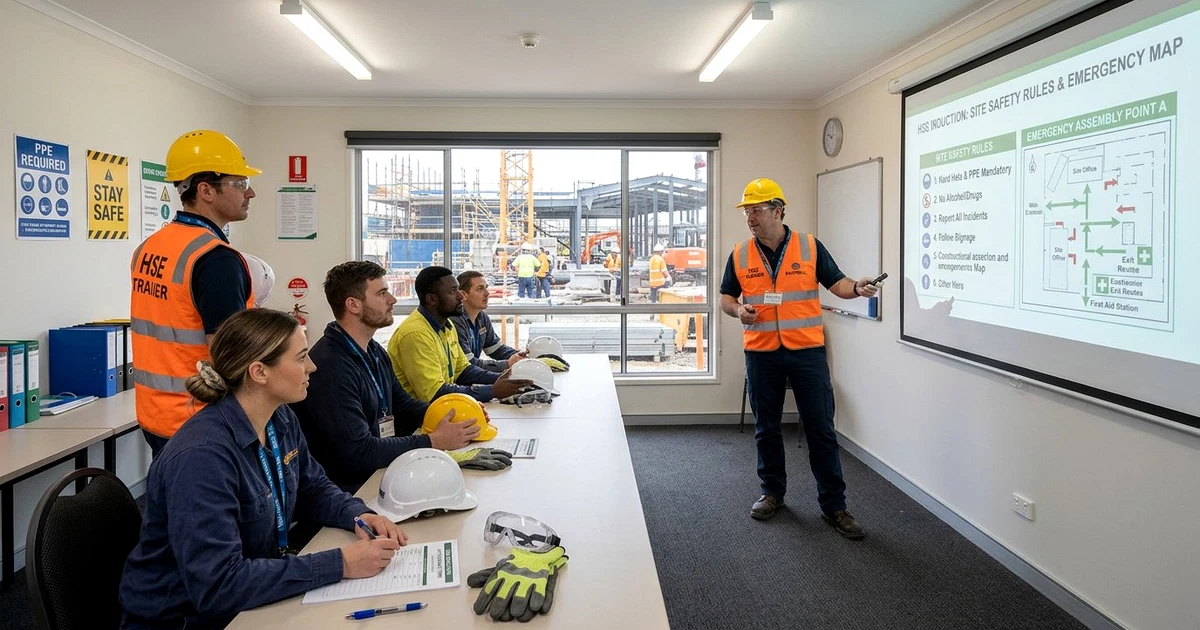 Training
The purpose of induction is not to finish a presentation; it is to ensure new workers understand the site, critical rules, emergency arrangements and stop-work authority.
Read article →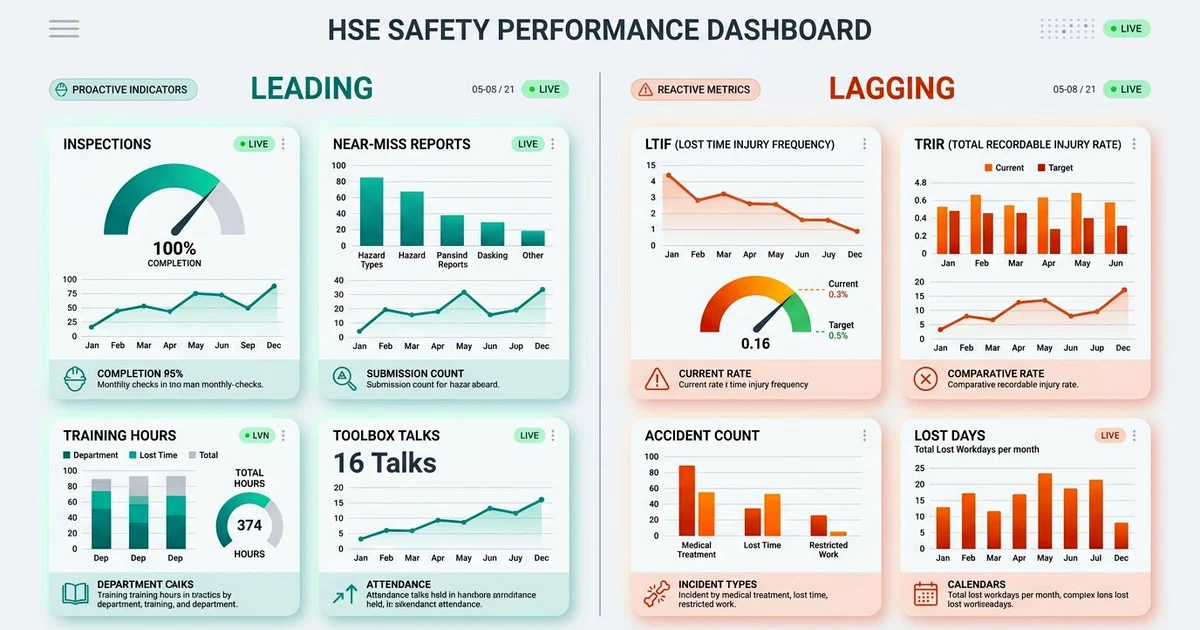 HSE Performance
Incident rates are lagging indicators; leading KPIs such as critical-control verification, CAPA closure and field leadership show how risk is being managed before harm occurs.
Read article →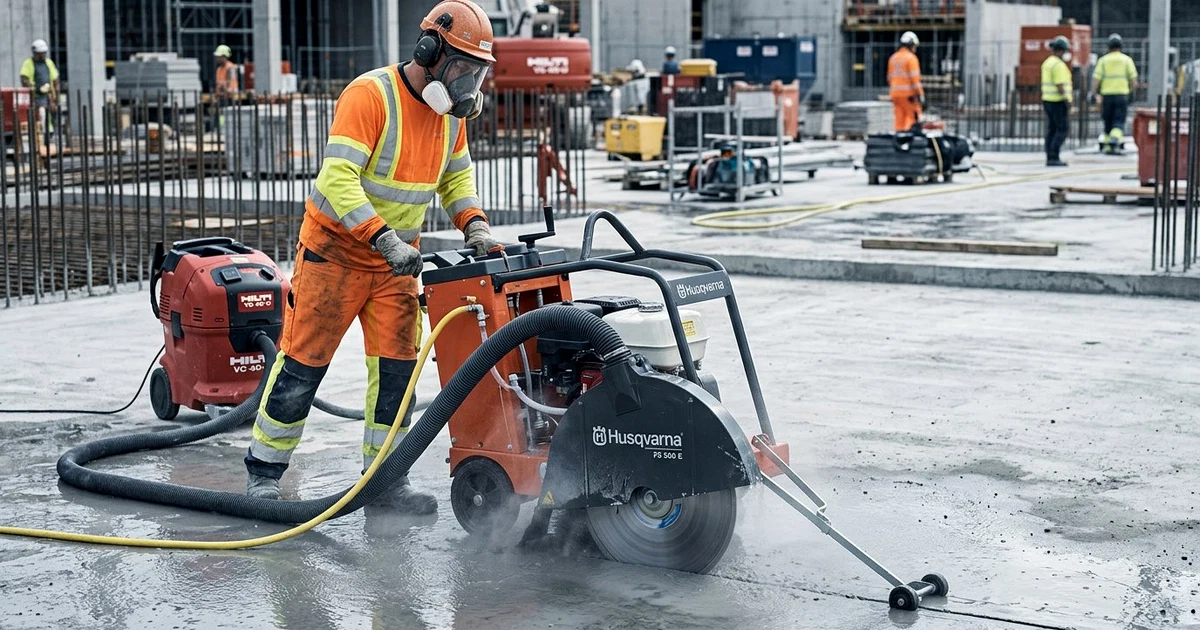 Occupational Hygiene
Fine silica dust generated during cutting, drilling and breaking concrete can remain airborne longer than visible dust; source control is essential.
Read article →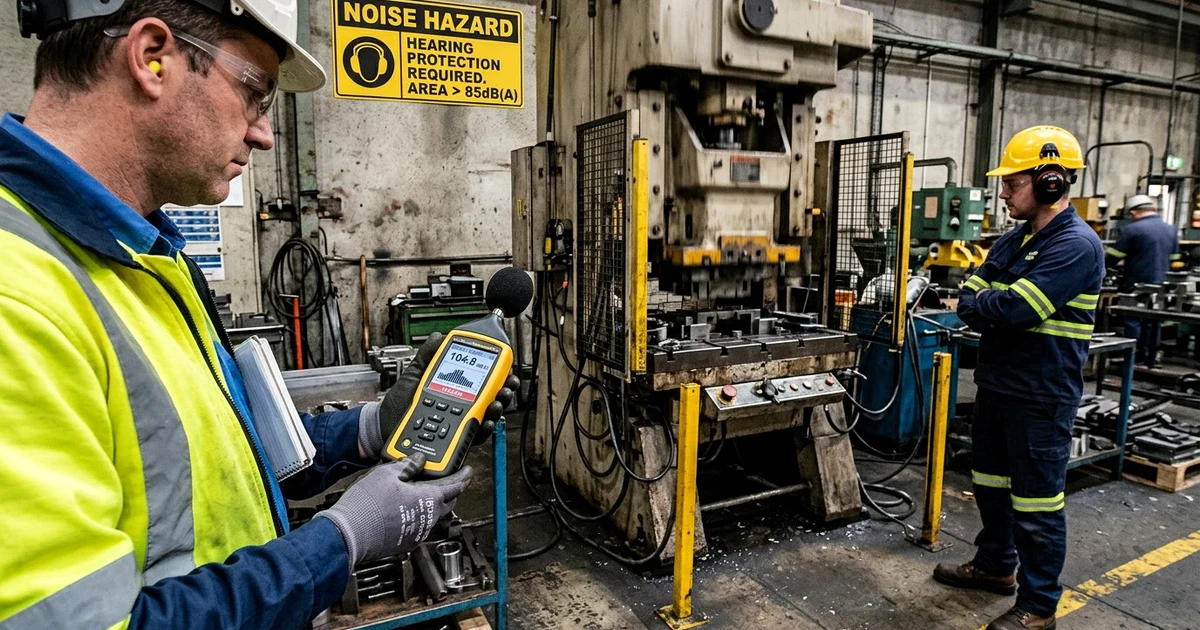 Occupational Hygiene
Noise management is not simply issuing hearing protection; measurement, source control, exposure duration and correct protector selection must work together.
Read article →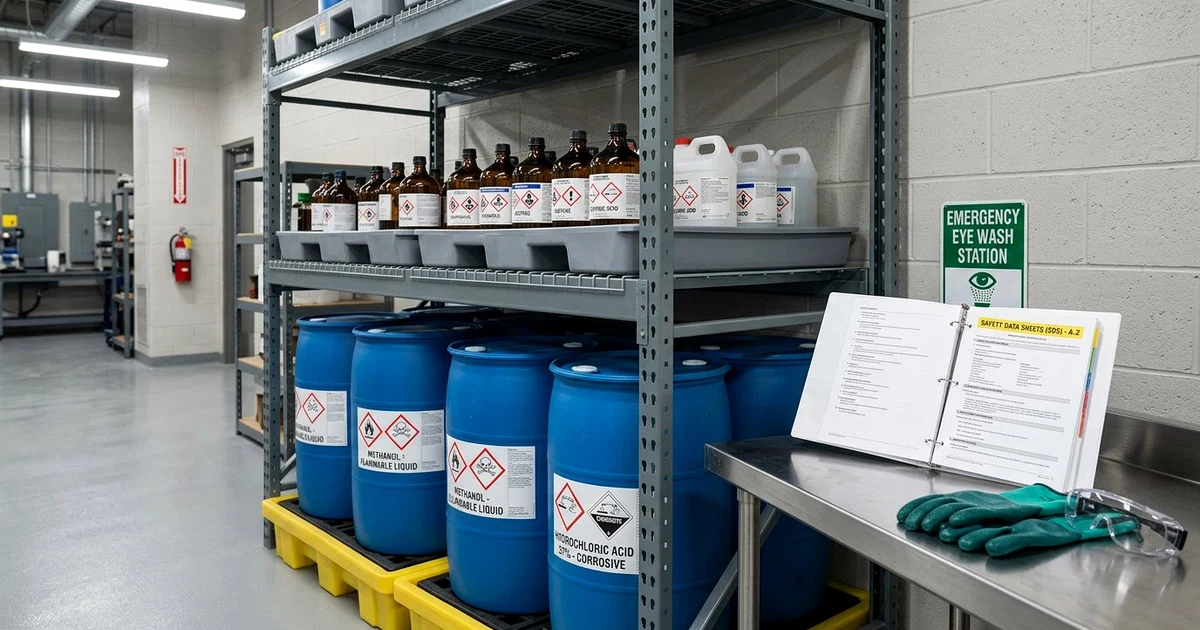 Chemical Safety
Chemical safety relies on safety data sheets, correct labelling, compatible storage and worker information.
Read article →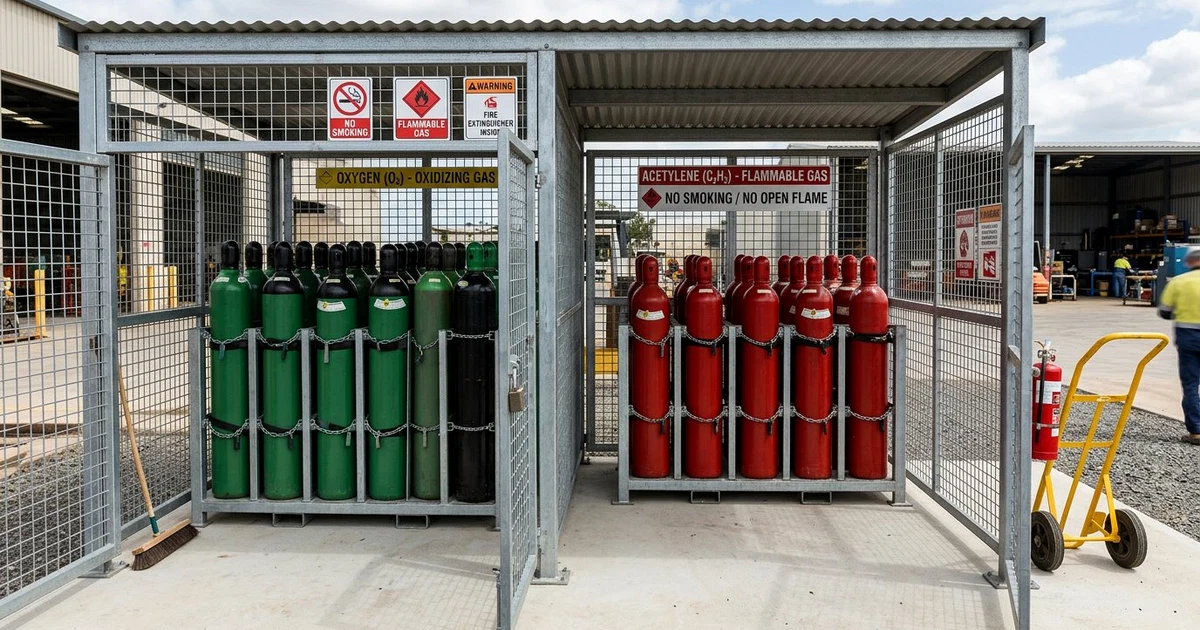 Site Safety
Compressed gas cylinders present stored-energy and fire hazards through falling cylinders, valve damage and incompatible storage.
Read article → Ergonomics
The goal of ergonomics is not simply telling people to lift correctly; it is redesigning load, distance, frequency and work height to fit human capability.
Read article →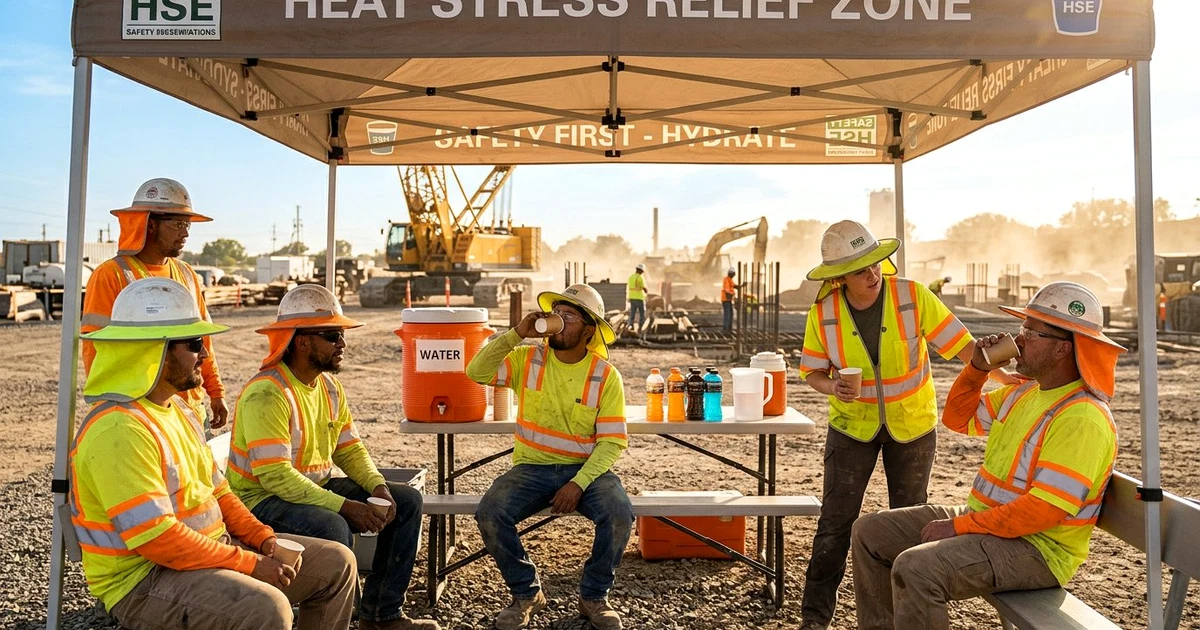 Health
Heat stress depends on humidity, solar load, work intensity, PPE and acclimatization as well as air temperature.
Read article →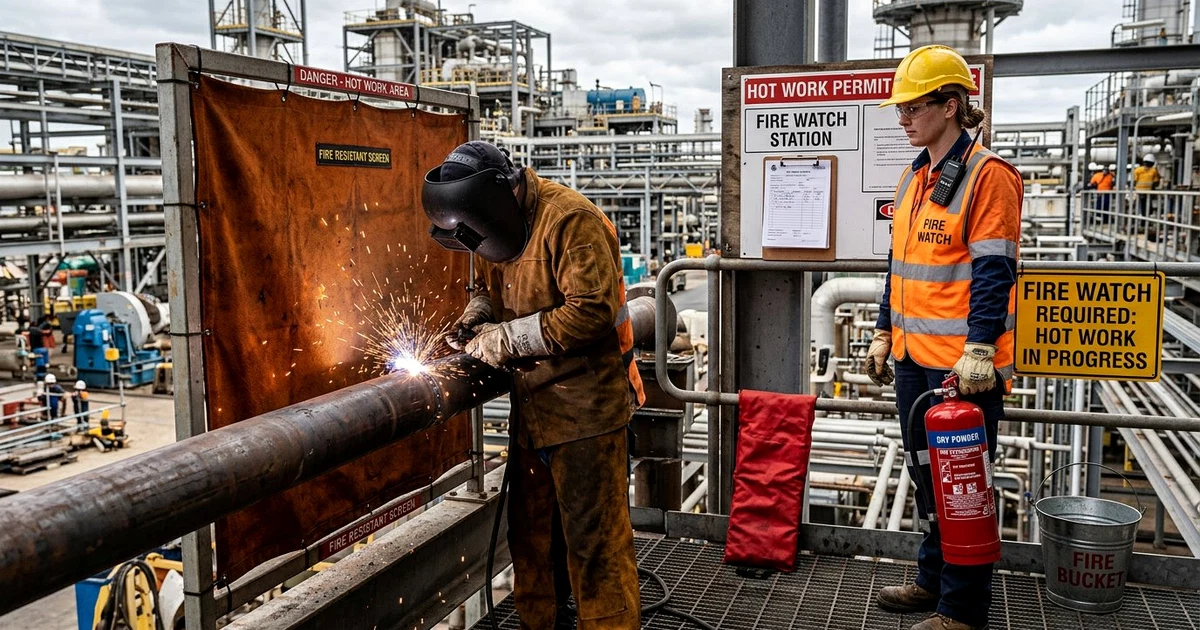 Emergency
A fire watch is a critical independent role that monitors the area, spark travel and signs of fire during hot work.
Read article →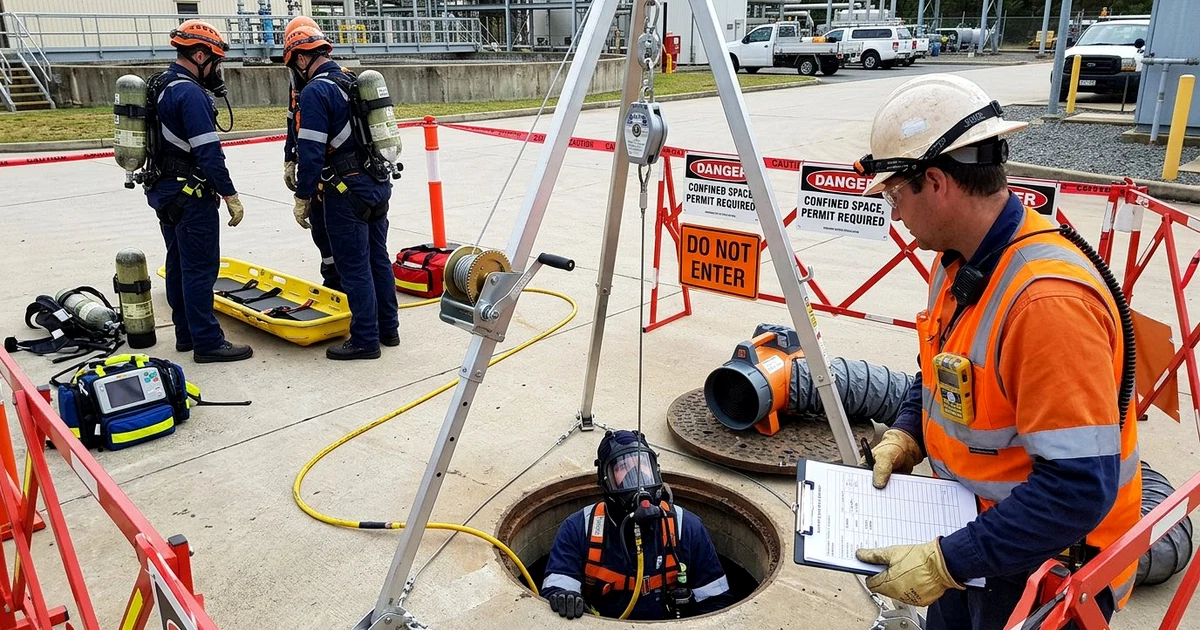 Emergency
Calling emergency services is not a confined-space rescue plan; access, rescue equipment, attendant duties and a competent rescue team must be planned in advance.
Read article →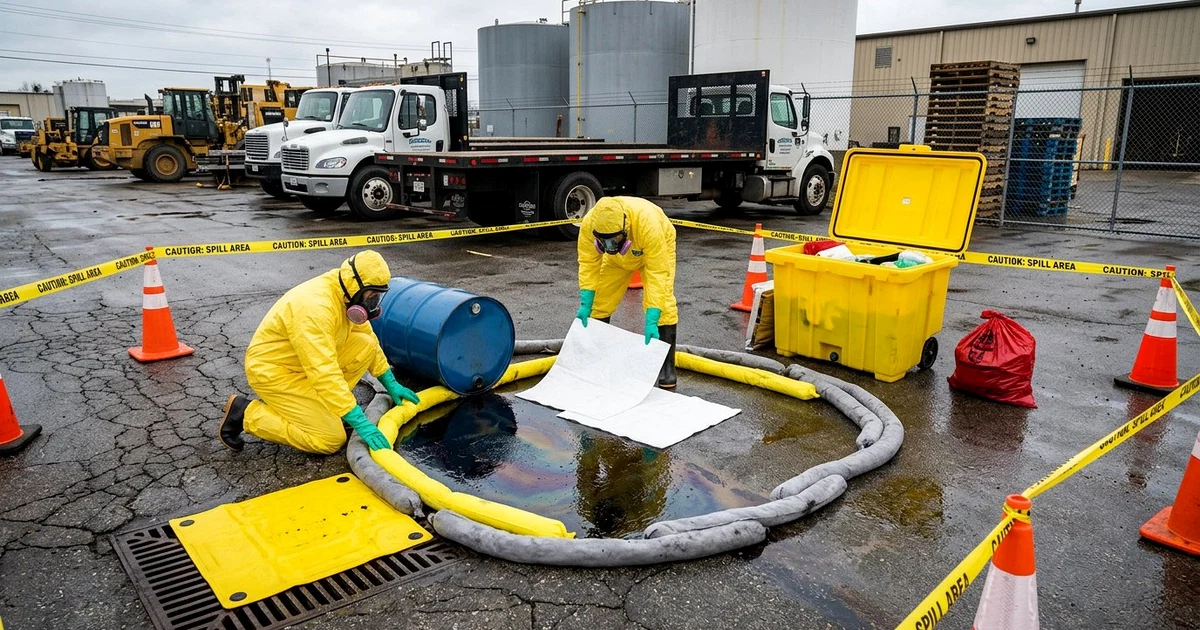 Environment
Spill response prioritizes safely stopping the source, containing spread, selecting the right absorbent and managing contaminated waste.
Read article →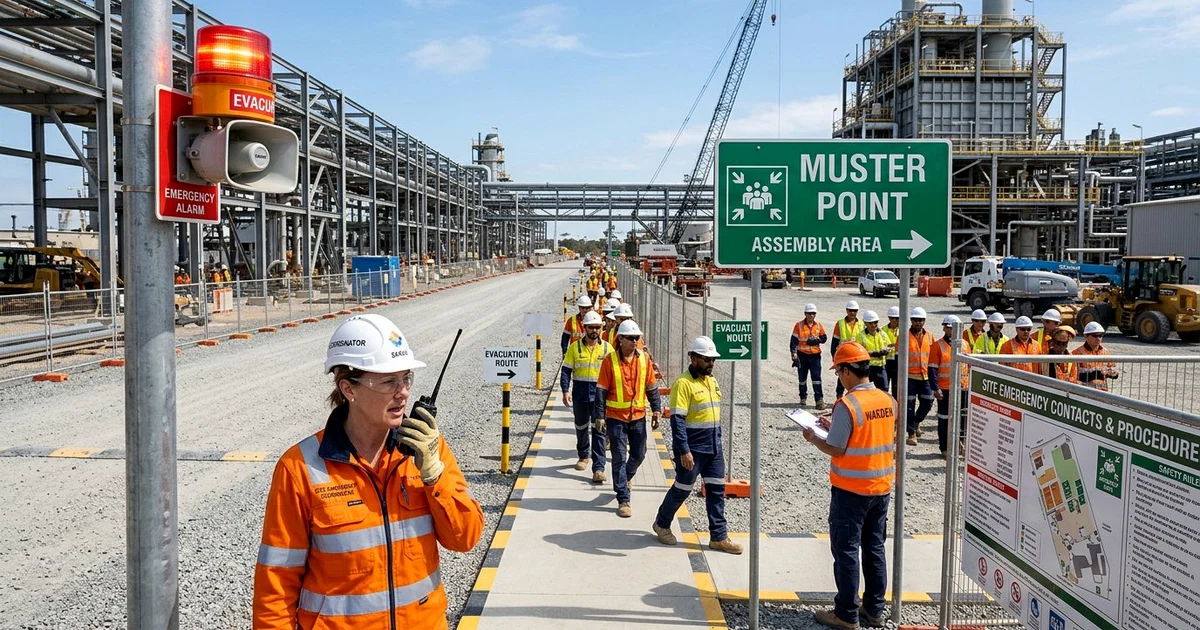 Emergency
During an emergency, communication must be pre-planned through alarm types, radio channels, command structure and muster accountability.
Read article →